
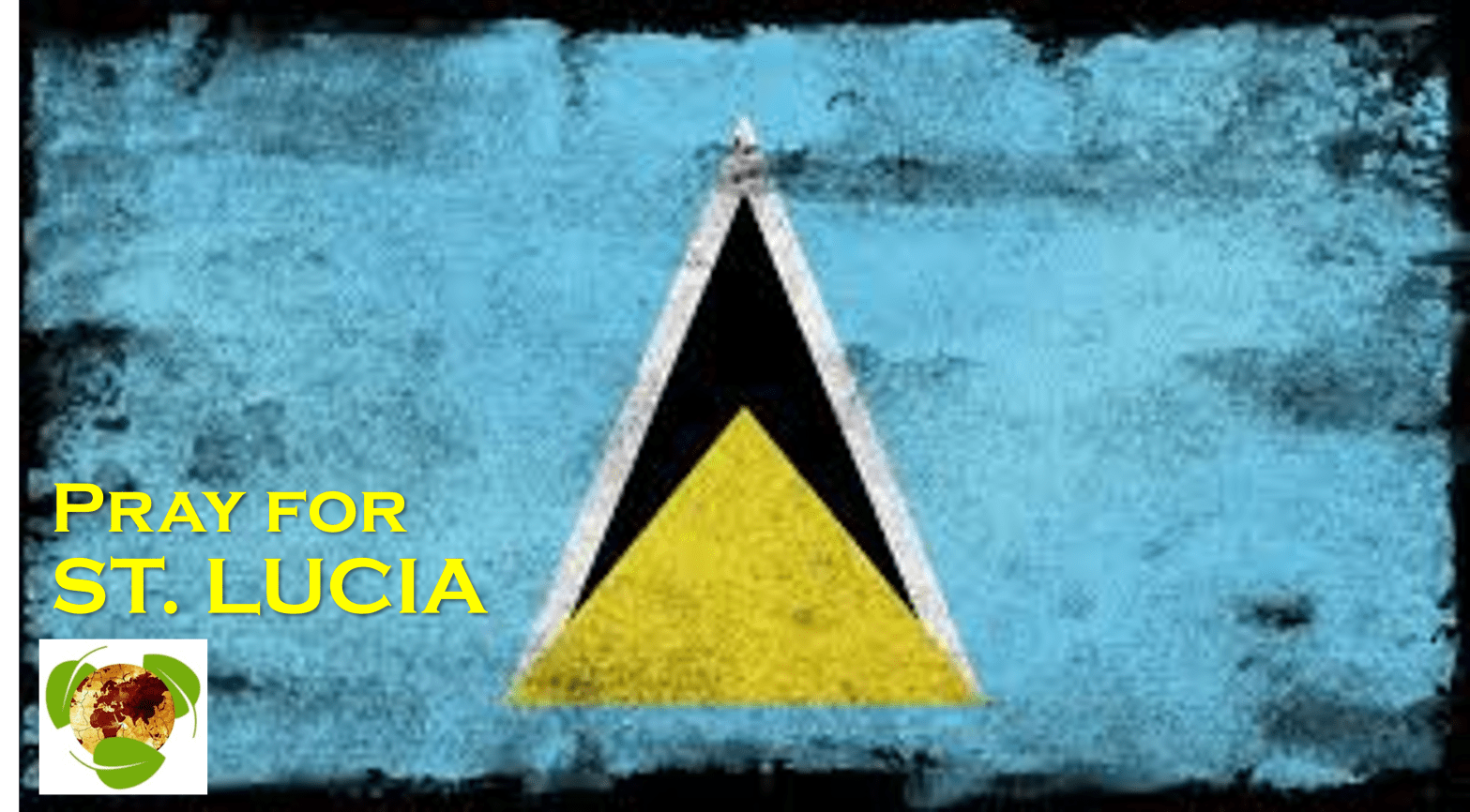
Christianity is the dominant faith in Saint Lucia, with approximately 77% to 95% of the population identifying as Christian. While Roman Catholicism has historically been the majority religion, the landscape is shifting toward Protestant and Evangelical denominations.
Major Denominations
- Roman Catholic: Holds the largest following at approximately 50.6% (down from over 90% in 1960).
- Seventh-day Adventist: The second-largest group, comprising about 10.8% of the population.
- Pentecostal: Represents roughly 9.0% of adherents and is one of the fastest-growing groups.
- Others: Includes Anglicans (1.3%), Baptists (1.7%), Methodists, and Jehovah’s Witnesses.
National Identity and Traditions
- Named for a Saint: Saint Lucia is the only country in the world named after a woman—Saint Lucy of Syracuse, a 4th-century Christian martyr.
- National Day: Observed on December 13, the feast day of St. Lucy. Legend says French sailors were shipwrecked on the island on this day and named it in her honor.
- Public Holidays: Major Christian days like Good Friday, Easter Sunday, Whit Monday, and Christmas are official national holidays.
- Cathedral Basilica: The Basilica of the Immaculate Conception in the capital, Castries, is one of the largest churches in the Caribbean and a key religious landmark.
Religious Freedom & Society
- Constitution: The government is secular and guarantees freedom of religion. There is no official state religion.
- Christian Council: The St. Lucia Christian Council works to promote mutual understanding between different denominations.
- Education: Public school curricula include Christian education, though non-Christian students are typically not required to participate.
- Spiritual Blending: Some residents practice a mix of Christian faith and traditional folk beliefs like Obeah, which involves rituals for protection or healing.
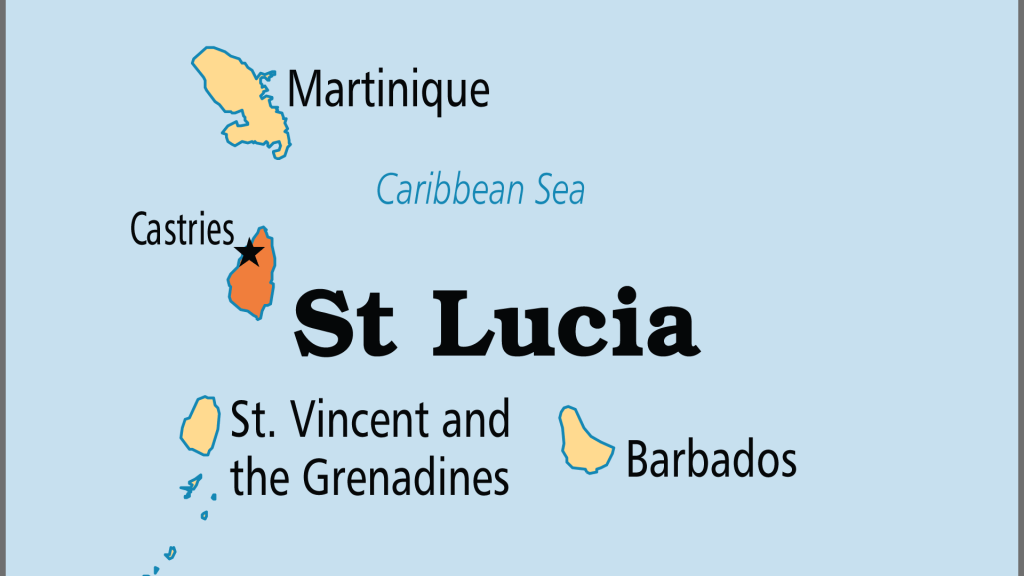
Links for further overview of St. Lucia:
 Stichting HEALING THE NATIONS