
Brazil is the world’s second-largest Christian nation, with approximately 170 million followers, trailing only the United States. It remains the world’s most populous Catholic country, though it is currently undergoing a rapid and historic religious transition.
Major Denominations (2022 Census Data)
While historically dominated by one church, Brazil’s landscape is now defined by two major blocs:
- Roman Catholicism (56.7%)
- Still the majority, but has fallen from 92% in 1970.
- Strongest in the Northeast and rural areas.
- Highly syncretic; many Brazilians combine Catholic identity with indigenous or African spiritual traditions.
- Protestantism / Evangelicalism (26.9%)
- The fastest-growing group, up from just 5% half a century ago.
- Dominated by Pentecostal and Neo-Pentecostal churches like the Assemblies of God and the Universal Church of the Kingdom of God.
- Strongest in urban centers and the Southeast.
- Other Groups
- Spiritism (Spiritist Federation of Brazil): 1.84% (the largest Spiritist population in the world).
- Restorationists: Significant presence of Jehovah’s Witnesses and Mormons (The Church of Jesus Christ of Latter-day Saints).
The “Great Shift”: Catholic to Evangelical
Experts predict Brazil could become a majority-Evangelical country as soon as 2030.
- Urbanization: Protestant churches have flourished in fast-growing urban “favelas” (shanty towns) where they provide essential social support networks that the state and the Catholic Church often fail to reach.
- Charismatic Appeal: Evangelical services focus on modern music, passionate prayer, and the “Prosperity Gospel,” which resonates with those seeking financial and emotional breakthroughs.
- Catholic Response: To stem the loss of members, many Catholic churches have adopted the Catholic Charismatic Renewal, using pop-style worship and “rock star” priests like Father Marcelo Rossi to mimic the Evangelical experience.
Political and Social Influence
Christianity is not just a private faith in Brazil; it is a powerful political force.
- The “Evangelical Caucus”: A bloc of lawmakers in Congress that aggressively pushes for conservative social policies regarding abortion, LGBTQ+ rights, and drug legalization.
- National Symbols: The Christ the Redeemer statue in Rio de Janeiro is more than a religious monument; it is the most recognizable icon of the Brazilian state.
- Public Life: Expressions like “Graças a Deus” (Thanks to God) and “Fica com Deus” (Stay with God) are universal in daily conversation, regardless of one’s level of practice.
Cultural Syncretism
Brazil’s Christianity is unique because of its “blending” with other faiths:
- Afro-Brazilian Fusion: Enslaved Africans often disguised their deities (Orixás) as Catholic saints to avoid persecution. This resulted in traditions like Candomblé and Umbanda where followers might attend Mass on Sunday and an Afro-Brazilian ritual on Monday.
- Religious Intolerance: Recently, there has been a sharp rise in attacks against Afro-Brazilian temples, often attributed to radicalized Neo-Pentecostal groups.
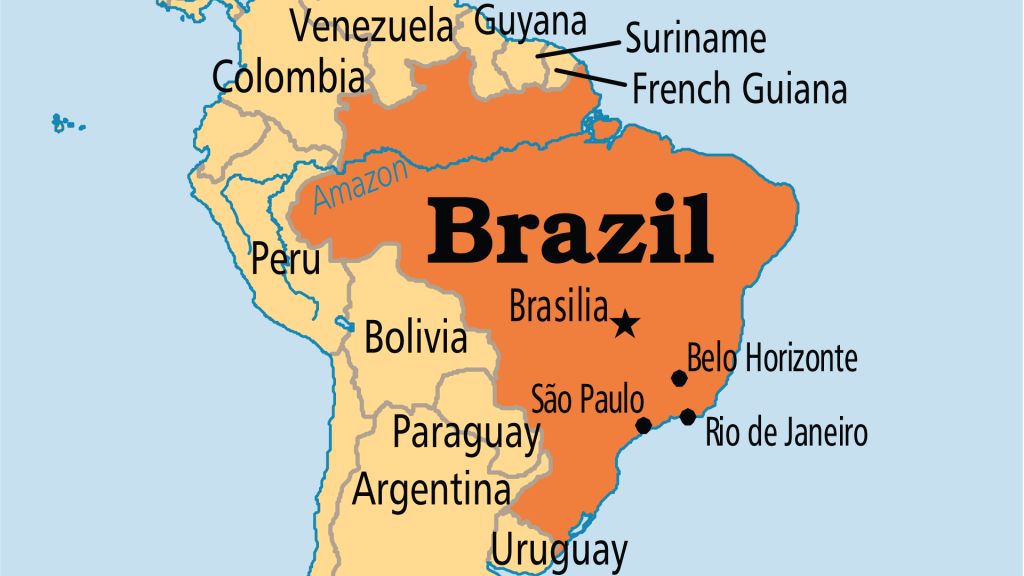
Links for further overview of Brazil:

