
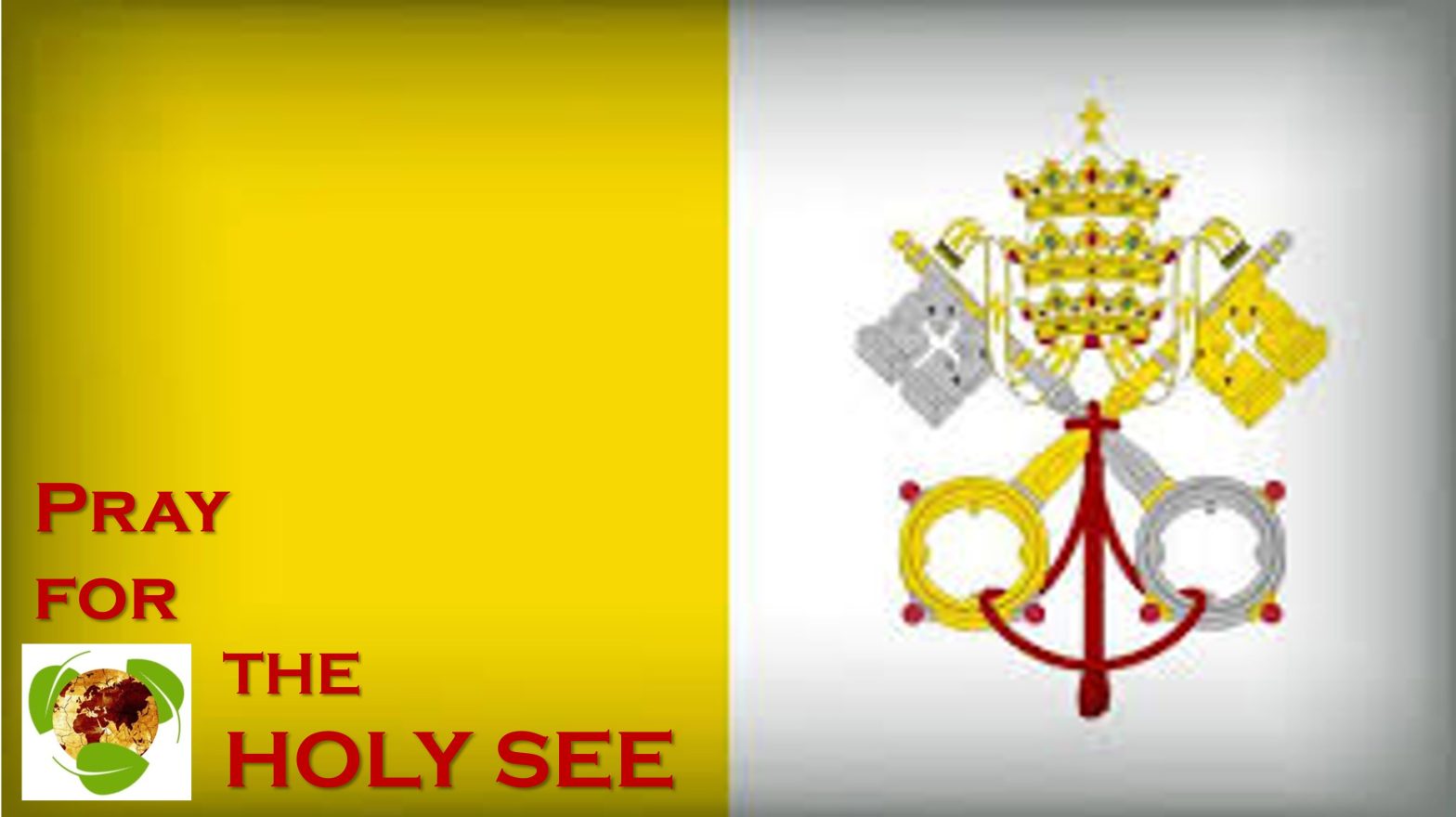
The Holy See is the central governing body of the Roman Catholic Church, led by the Pope in Vatican City, representing the supreme authority for over 1.3 billion Catholics worldwide. As a sovereign entity, it manages international diplomatic relations and serves as the spiritual center of Roman Catholicism, which was historically established upon the life and teachings of Jesus Christ.
Key Aspects of Christianity in the Holy See:
- Definition & Role: The Holy See (Latin: Sancta Sedes) acts as the church’s supreme administrative and spiritual authority. It is distinct from Vatican City, the physical state established in 1929 via the Lateran Pacts.
- The Pope’s Role: The Pope serves as the Bishop of Rome and the supreme head of the Catholic Church.
- Structure: It operates through the Roman Curia, which oversees the global church, consisting of 24 autonomous sui iuris churches—the Latin Church and 23 Eastern Catholic Churches.
- Religious Significance: As the seat of St. Peter (the first pope), it is a major pilgrimage site, centered around St. Peter’s Basilica.
- Diplomacy: The Holy See maintains diplomatic relations with 174 nations, sending representatives known as nuncios.
Core Beliefs:
The Catholic Church under the Holy See follows the Nicene Creed, recognizes the Pope’s authority, and considers the seven sacraments instituted by Christ.
Relationship with Christianity:
While the Vatican is the heart of Roman Catholicism, it is important to note that it is distinct from other Christian denominations (Protestantism, Eastern Orthodox).
Functions:
The Holy See governs through Canon Law and is involved in international discussions on social and moral issues, frequently integrating its religious doctrine into global diplomacy
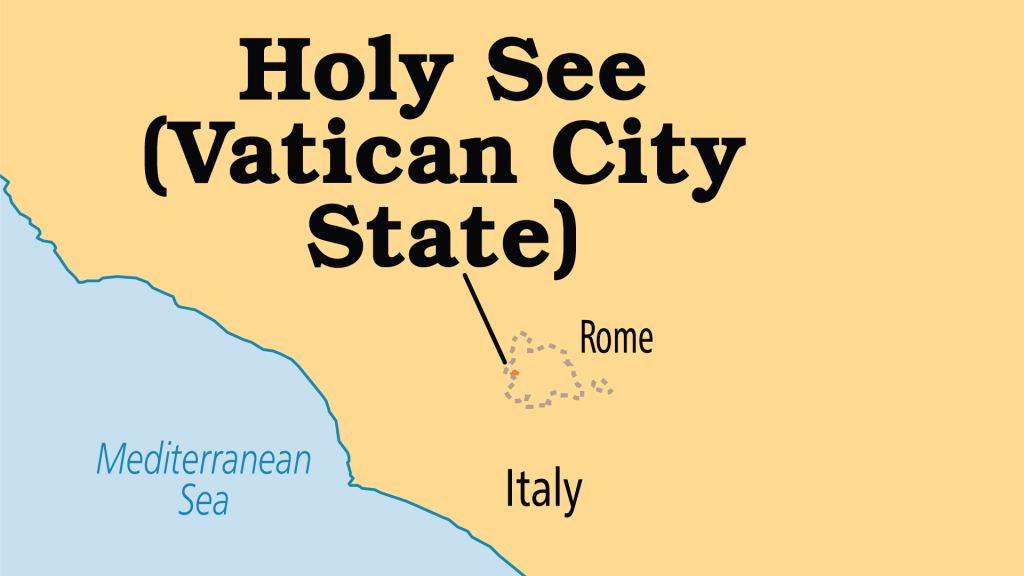
Links for further overview of HOLY SEE (VATICAN CITY STATE):
 Stichting HEALING THE NATIONS