
Christianity is the predominant religion in Peru, with Roman Catholicism historically serving as the largest denomination, though it has experienced a decline in recent decades alongside a significant rise in Protestantism. According to 2017 census data, 76% of the population identified as Catholic, while a 2023 estimate placed the number at around 66.4%. The country is characterized by a high degree of religious syncretism, blending Catholic traditions with indigenous Andean spiritual beliefs.
1. Roman Catholicism
- Role and Influence: Catholicism has been deeply embedded in Peruvian culture since the 16th-century Spanish conquest, with many churches built atop former Inca sites.
- Government Relations: While Peru is a secular state, Article 50 of the Constitution recognizes the Catholic Church’s role in the nation’s history and development. The 1980 pact with the Vatican gives the Church special status, including tax benefits, funding for bishops, and the, often criticised, mandatory teaching of Catholic education in public schools.
- Key Practices: The Señor de los Milagros (Lord of Miracles) is a major religious event in October, featuring large processions.
- Challenges: The church has faced declining numbers, especially among youth, and scandals related to conservative groups like the Sodalitium Christianae Vitae, which was dissolved by the Vatican in 2025.
2. Protestantism and Evangelical Growth
- Rapid Growth: Since the 1990s, Evangelicalism has grown considerably, particularly among lower-income sectors in urban peripheries and in the Amazon region.
- Statistics: Protestants (often called evangélicos) make up roughly 14.1% to 22.4% of the population, according to recent surveys.
- Impact: Evangelical leaders have become increasingly involved in politics, advocating for conservative social policies.
3. Religious Syncretism (Andean Beliefs)
In the Andean regions, Christianity often blends with traditional indigenous beliefs, forming a syncretic faith.
- Pachamama: Devotion to Pachamama (Mother Earth) and the Apus (mountain spirits) is common, sometimes intertwined with the veneration of the Virgin Mary or other saints.
- Festivals: Traditional Inca ceremonies, such as the Inti Raymi (Sun Festival) and Qoyllur Riti, are celebrated alongside Christian holidays, with many saints’ day festivities (fiestas patronales) incorporating indigenous rituals.
4. Other Christian Groups
- The Church of Jesus Christ of Latter-day Saints: Claimed nearly 620,000 members in 2022, with four temples in the country, including two in Lima.
- Orthodoxy: A small, mostly immigrant presence exists, with two Eastern Orthodox churches in Lima.
5. Religious Demographics and Trends
- Overall Faith: About 96% of Peruvians identify as believers.
- Irreligion: Irreligion (including atheism and agnosticism) is rising slowly, particularly among urban, young people (18-29).
- Regional Differences: Andean areas show a stronger blend of traditional and Catholic practices, whereas Protestantism has seen high growth in Lima and the northern Amazon regions.
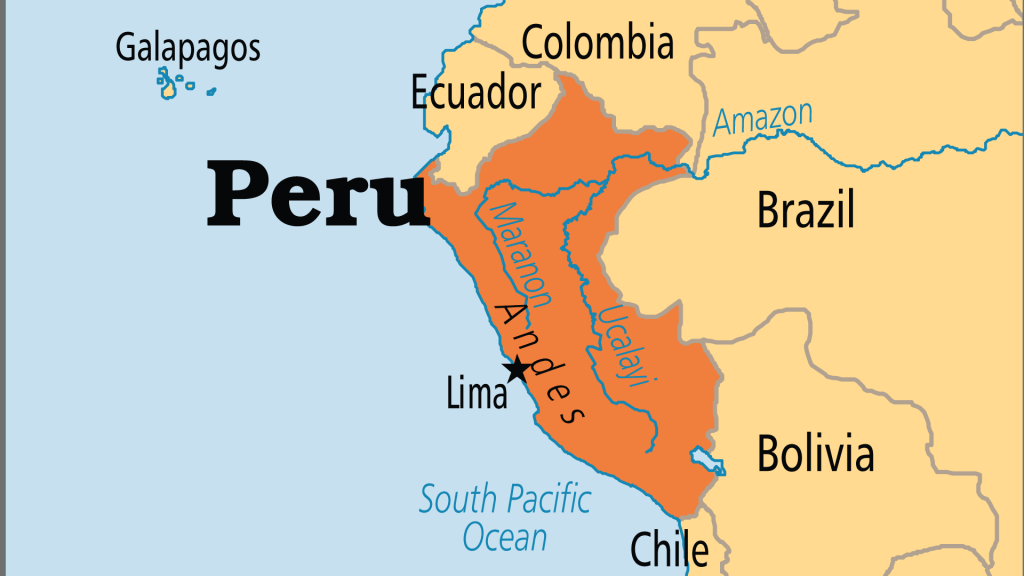
Links for further overview of Peru:
 Stichting HEALING THE NATIONS