
Christianity has been a central pillar of Icelandic life for over a millennium, following a historic and peaceful conversion at the turn of the first millennium. Today, while the majority of Icelanders remain registered members of Christian denominations, the country is highly secular, with actual religious practice declining.
The State Church & Current Demographics
The Church of Iceland (Evangelical Lutheran) is the official state church, protected by the national constitution.
| Denomination | Membership (Approx. 2025) | Notes |
|---|---|---|
| Church of Iceland | 57.2% | The official state church. |
| Catholic Church | 3.9% | Growing due to immigration. |
| Free Lutheran Churches | 5.3% | Independent from the state church. |
| Other Christian | 1.7% | Includes Pentecostals and Adventists. |
| Unaffiliated/No Religion | ~25% | Includes non-registered and Humanists. |
Historical Milestones
- Year 1000: The Great Compromise
To avoid civil war between pagans and Christians, the Lawspeaker Þorgeir Þorkelsson meditated for a day and night. He decided Iceland would be Christian, but allowed private pagan worship, infant exposure, and the eating of horse meat to continue temporarily. - 1550: The Reformation
Iceland transitioned from Catholicism to Lutheranism under the Danish crown. This period ended violently with the execution of the last Catholic bishop, Jón Arason, who is now seen as a national hero for his resistance to Danish rule. - 1584: The Guðbrandur Bible
The first complete translation of the Bible into Icelandic was published, playing a vital role in preserving the Icelandic language.
Modern Religious Life
While registration remains high due to tradition and the sóknargjald (church tax) system, active participation is low.
- “Christian by Default”: Many Icelanders are baptized, confirmed, and married in the church for cultural reasons rather than deep personal faith.
- Liberal Stance: The Church of Iceland is notably progressive, supporting LGBTQ+ rights and performing same-sex marriages since 2010.
- Rising Alternatives: There is a growing interest in Ásatrú (Norse Neopaganism) and secular Humanism.
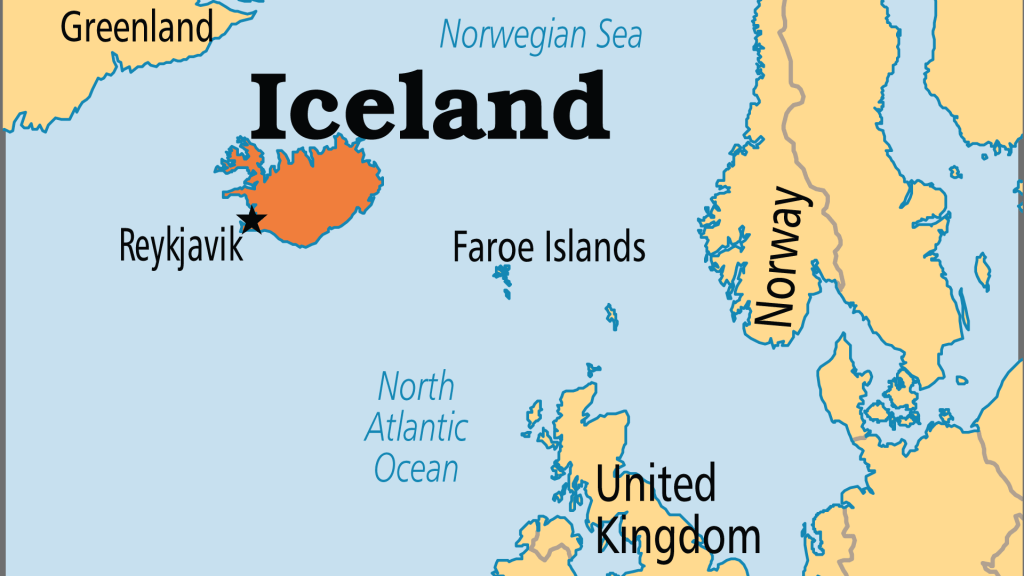
Links for further overview of Iceland:
 Stichting HEALING THE NATIONS