
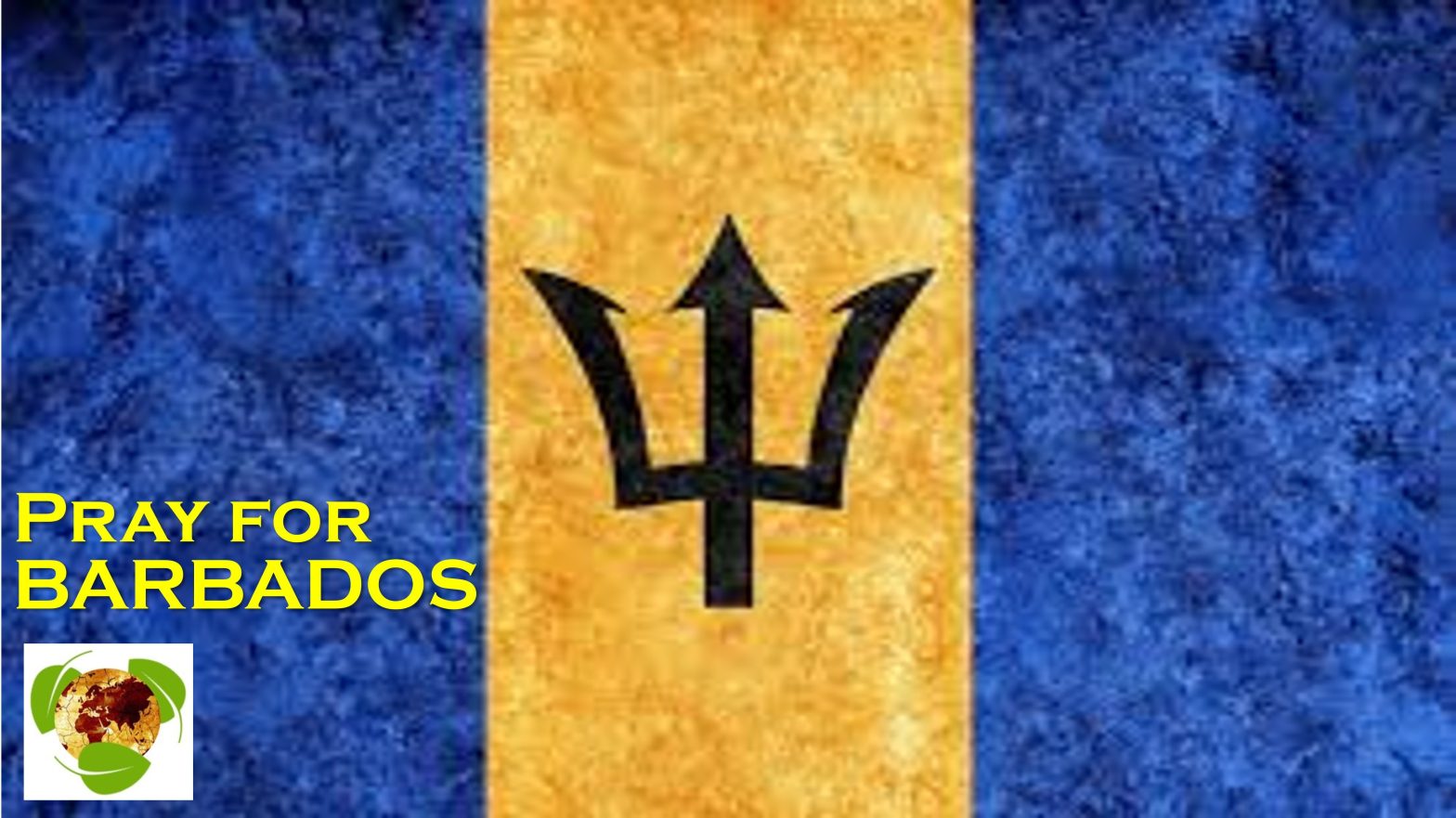
Christianity is the primary faith in Barbados, practiced by approximately 76% to 95% of the population. It is deeply embedded in the island’s history, culture, and governance, though the country is officially a secular republic.
Major Denominations
While there are over 100 different denominations on the island, a few hold the majority of followers:
- Anglicanism (23.9%): Historically the state religion until 1969, it remains the largest single denomination.
- Pentecostalism (19.5%): The fastest-growing major group, known for vibrant worship services.
- Seventh-day Adventist (5.9%): A significant and active community on the island.
- Methodist (4.2%): One of the traditional “mainline” churches with a long history in Barbados.
- Roman Catholic (3.8%): Primarily bolstered by 20th-century immigration from neighboring islands.
Cultural & Legal Role
Christianity influences many aspects of Barbadian life, from public holidays to education:
- National Holidays: Major festivals like Christmas, Easter, Good Friday, and Whit Monday are public holidays.
- Education: Christian “values education” is part of the public school curriculum, though students may opt out.
- The Parish System: The island is divided into 11 parishes, each named after a saint (e.g., St. Michael, St. Philip) and centered around a historic Anglican parish church.
- Crop Over: Even the world-famous Crop Over Festival has historical roots as a harvest festival to thank God for the sugar crop.
Religious Freedom & Diversity
Barbados is known for its high level of religious tolerance:
- Freedom of Religion: The Constitution of Barbados protects the right to worship and prohibits discrimination based on creed.
- Interfaith Relations: Relations between Christians and minority groups (Muslims, Hindus, Jews, and Rastafarians) are generally amicable.
- Ecumenical Efforts: The Barbados Christian Council promotes unity and cooperation among various Christian denominations.
Recent Trends
- Rise of the “Nones”: Recent census data shows a significant increase in people identifying with no religion, now making up about 20.6% of the population.
- Secularization: While religious fervor remains high, some observers note a shift toward modern secular influences and decreasing church attendance among younger generations.
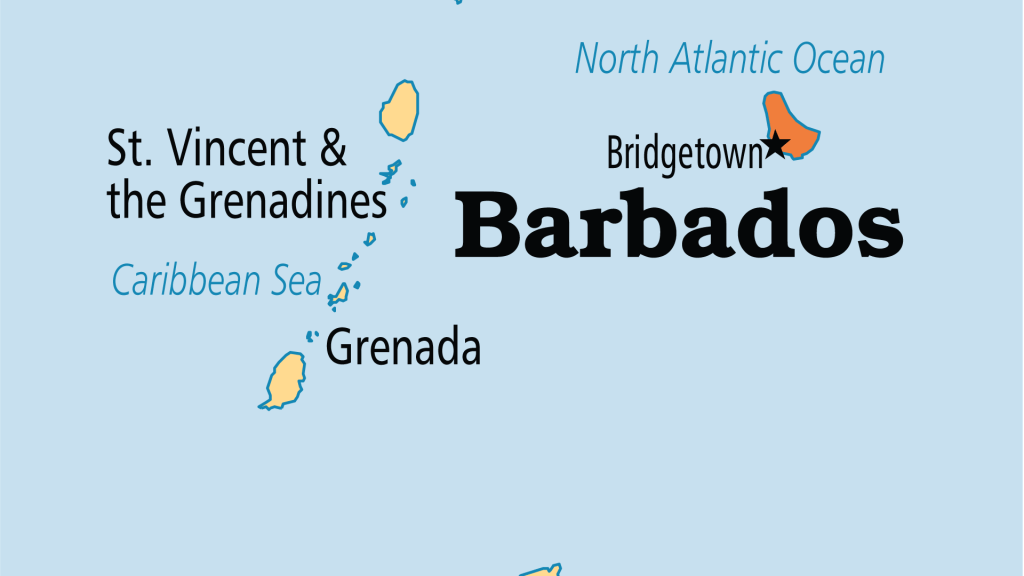
Links for further overview of Barbados:
 Stichting HEALING THE NATIONS