
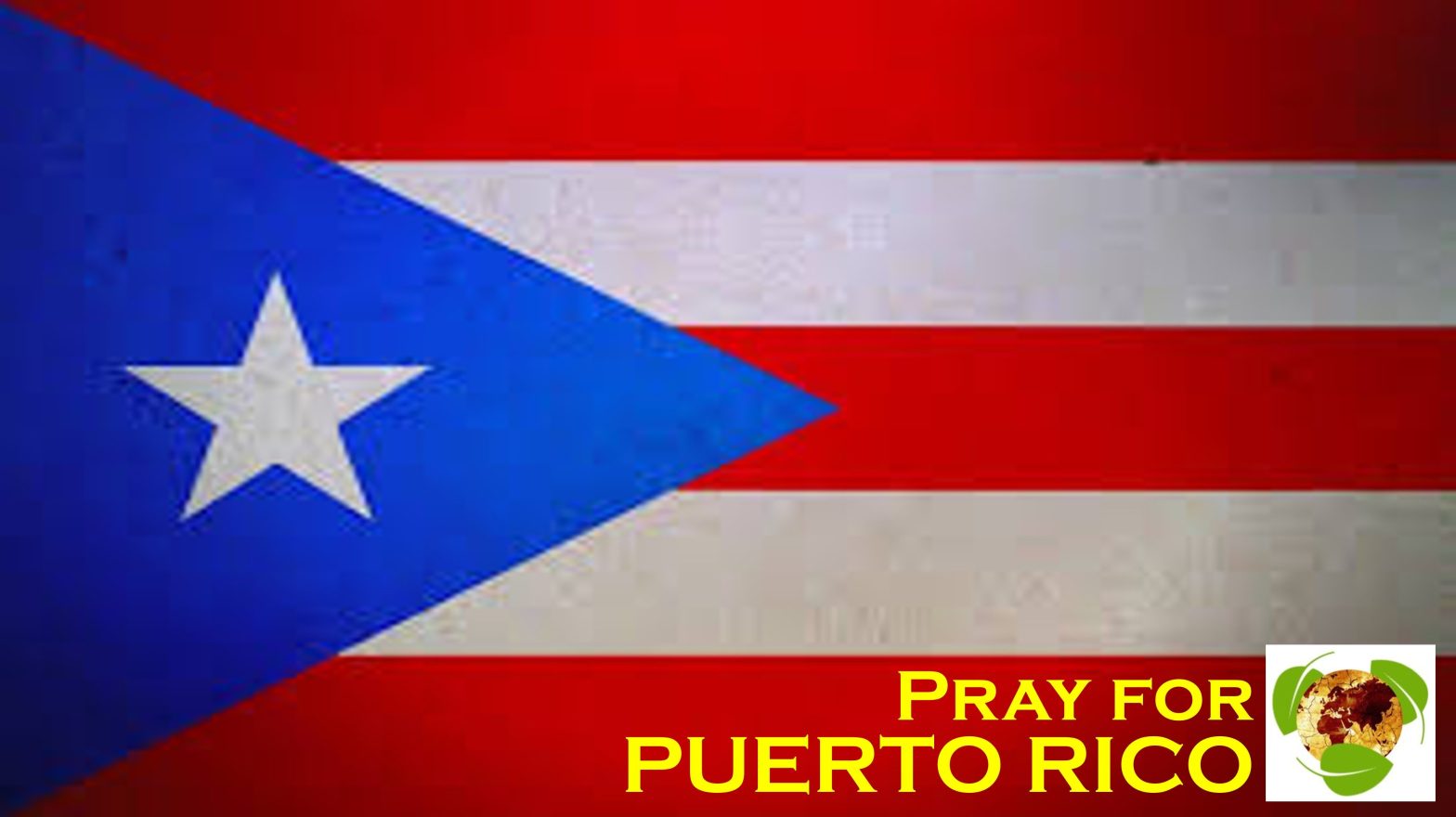
Christianity in Puerto Rico is the dominant religion, deeply intertwined with the island’s culture, history, and daily life. While historically Catholic due to Spanish colonization, the religious landscape has diversified significantly over the last century, with a large and growing Protestant, particularly Pentecostal, population.
Religious Demographics
- Catholicism: For centuries, Roman Catholicism was the sole, state-sanctioned religion. Today, estimates suggest roughly 56% to 85% of the population identifies as Catholic, though active participation varies. Each of the 78 municipalities in Puerto Rico has a Catholic church, usually located in the town center.
- Protestantism/Evangelicalism: Protestantism has grown significantly since the U.S. gained sovereignty in 1898. Current estimates show that approximately 25% to 33% of the population is Protestant, with many being Pentecostal. Some studies indicate that if current trends continue, Evangelicalism may see massive growth in the coming years.
- Other Christian/Other Religions: A small percentage of the population adheres to other Christian denominations (Jehovah’s Witnesses, Adventists) or other religions (including indigenous Taíno beliefs, Santería, and small Jewish and Muslim communities).
Historical Background
- Spanish Colonial Rule (1500s–1898): Catholicism was introduced by Spanish settlers. The Catholic Church was firmly established, and other religions were suppressed.
- U.S. Sovereignty (1898–Present): Following the Spanish-American War, the U.S. introduced religious freedom, allowing Protestant denominations from the U.S. to establish missions and churches.
Key Aspects of Religion in Puerto Rico
- Cultural Catholicism: Even non-practicing individuals often identify as Catholic, and tradition, such as devotion to the Virgin Mary, remains strong.
- Pentecostal Growth: Pentecostalism has a very strong, active, and vocal presence, often characterized by high community involvement.
- Syncretism: Traditional practices sometimes blend with local traditions, including Espiritismo and Afro-Caribbean beliefs.
- Ecumenical Efforts: Despite differences, many churches collaborate on social issues and community, environmental, and economic challenges.
- Role of Women: Native women (“Bible women”) were pivotal in the early expansion of Protestantism through personal, community-based evangelism.
- Social and Political Impact: Churches are often deeply involved in social issues and play a role in civic life, including activism.
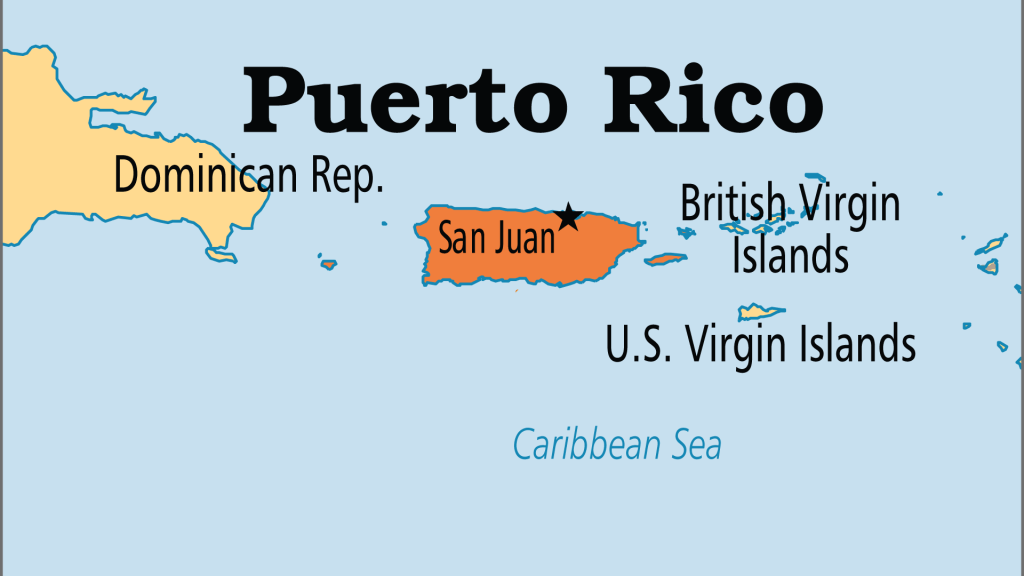
Links for further overview of Puerto Rico:
 Stichting HEALING THE NATIONS