
Christianity is the predominant religion in Portugal, with a deeply rooted history and a significant influence on the country’s culture, traditions, and national identity. Although Portugal is a secular state, Catholicism remains the largest denomination, with over 80% of the population identifying as Catholic in the 2021 census.
Religious Demographics
- Catholicism: 80.2% of the population (roughly 7 million people) identified as Catholic in 2021.
- Protestantism/Evangelical: Around 2.13% of the population.
- Other Christians: Approximately 1.04% (other Christian groups), 0.72% (Jehovah’s Witnesses), and 0.69% (Orthodox).
- No Religion: Around 14.1% of the population, showing a significant increase from 2011.
Key Aspects of Christianity in Portugal
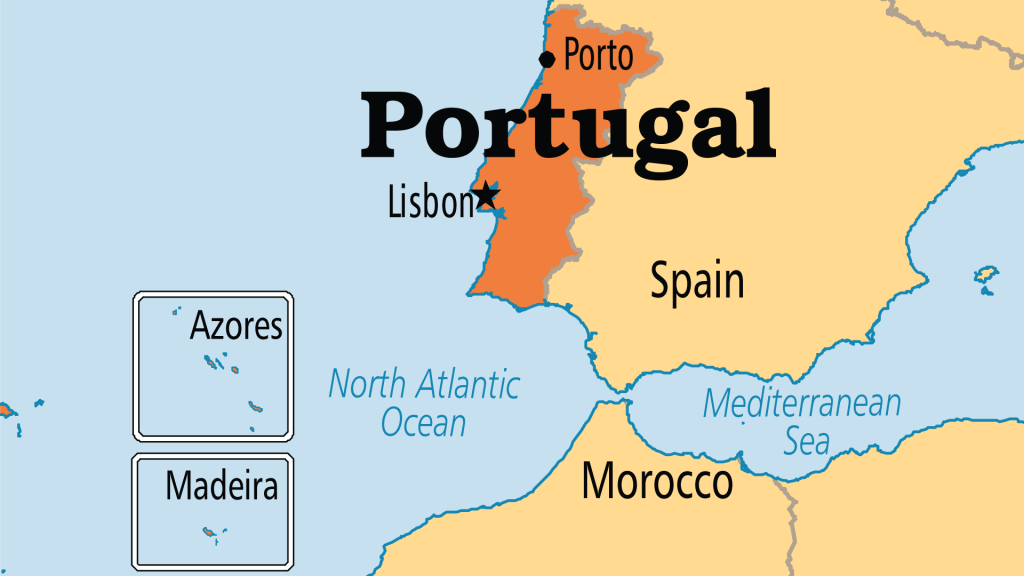
- Regional Differences: Catholicism is strongest in the northern region, the Azores, and Madeira, while the Algarve and Setúbal Peninsula have lower percentages of Catholics and higher numbers of people with no religious affiliation.
- Cultural Catholicism: While most citizens identify as Catholic, only about 19% attend mass and take sacraments regularly. Many consider themselves “culturally Catholic,” often participating in rites of passage like baptism and church weddings without being active practitioners.
- Fátima: The Shrine of Our Lady of Fátima is one of the most important Marian shrines in the world, attracting hundreds of thousands of pilgrims annually.
- Separation of Church and State: Since the 1911 separation and the 1976 Constitution, Portugal is a secular state. However, the Catholic Church still enjoys a special, albeit often unofficial, status and influences cultural life.
- Growth of Other Groups: Due in part to immigration from Brazil, evangelical Protestantism has experienced growth, more than doubling between 2011 and 2023.
History
- Early Christianity: Christianity in the region dates back to the Roman Empire, with Braga being an early and significant episcopal center.
- Reconquista: Christianity acted as a uniting force during the Reconquista, driving the Moors from the region and shaping the founding of the kingdom.
- Inquisition: In 1536, the Portuguese Inquisition was established, leading to a period of intense religious orthodoxy that lasted until 1821.
- Estado Novo: Under the dictator António de Oliveira Salazar (1932–1968), the Church experienced a revival, with its influence enshrined in the 1940 Concordat.
Modern Trends
Despite the high percentage of Catholics, Portugal is becoming more secular, especially among the younger generation and in urban areas. However, the 2021 census shows that Catholicism remains highly resilient, especially when compared to other European nations.
Links for further overview of Portugal:
 Stichting HEALING THE NATIONS