
Christianity in Guinea-Bissau is a minority religion, with adherents making up approximately 19% to 22% of the population. While Islam is the majority religion, Christianity is significant, particularly in the capital city of Bissau and along the coastal regions. The community is predominantly Roman Catholic, a legacy of Portuguese colonization, but also includes a growing number of Protestants.
Demographics and Distribution
- Population Share: Estimates place Christians at 18.9%–22% of the population.
- Concentration: Christians are mostly found in urban centers (specifically Bissau) and western coastal regions.
- Ethnic Groups: The Christian population is primarily drawn from the Pepel, Manjaco, and Balanta ethnic groups.
- Affiliations: Over 70% of Christians are Roman Catholic, while the remainder belong to various Protestant denominations, including Methodists, Seventh-day Adventists, and Evangelical churches.
- Growth: Christianity is considered to be growing in the country, with projections suggesting it could reach 30% of the population by 2050.
History and Structure
- Origins: Christianity arrived in the 15th century with Portuguese explorers but did not establish a strong foothold until later.
- Dioceses: The Catholic Church in Guinea-Bissau operates under two dioceses: the Diocese of Bissau and the Diocese of Bafatá.
- Protestant Missions: Protestant missions began arriving around 1939, with significant activity throughout the second half of the 20th century.
Role in Society
- Education and Health: The Catholic Church plays a major role in providing education and healthcare services to the population.
- Interreligious Relations: Guinea-Bissau is noted for its high degree of religious syncretism and peaceful coexistence, with many people blending Christian or Muslim practices with traditional Indigenous beliefs.
Religious Freedom and Challenges
- Constitutional Protection: The constitution provides for freedom of conscience and worship, which are generally respected.
- Recent Concerns: While relations have historically been cordial, a 2022 report from Aid to the Church in Need highlighted some incidents of intimidation and the vandalization of a church, indicating potential threats to this peaceful coexistence.
- Syncretism: Many Christians in the country also practice elements of traditional African religions.
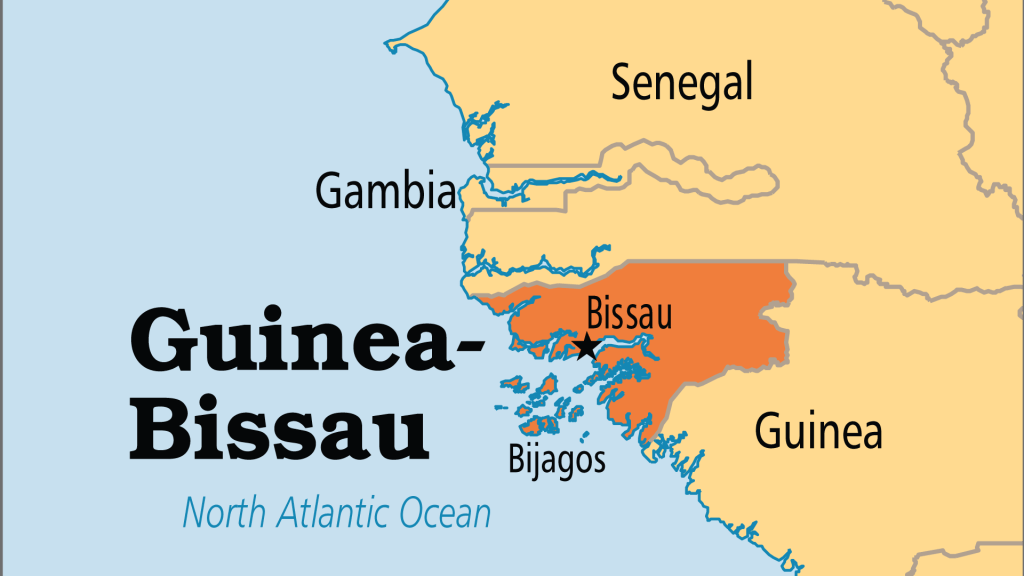
Links for further overview of Guinea-Bissau:
 Stichting HEALING THE NATIONS