
Christianity is the largest religion in Austria, with 68.2% of the population identifying as Christian according to a 2021 survey. Historically, Austria was a bastion of Roman Catholicism, largely shaped by the Habsburg Monarchy, though the religious landscape has become more diverse and secularized in recent decades.
Major Christian Denominations (2021–2024 Data)
- Roman Catholic Church: The largest denomination, representing 49.6% of the population as of 2024 (down from 55.2% in 2021). Despite declining numbers, it remains a significant cultural force, with roughly 3,000 parishes and nearly 5 million registered members.
- Eastern Orthodox Church: The fastest-growing Christian group, constituting roughly 4.9% of the population in 2021, driven by immigration from the Balkans and Syria. The largest group is the Serbian Orthodox Church.
- Protestant Churches: Around 3.8% of the population are Protestant, primarily Lutheran (Augsburg Confession) with a smaller Reformed (Helvetic Confession) minority.
- Other Christians: Other smaller groups include Old Catholics, Methodists, and various “Free Churches” (Freikirchen).
Historical Context
- Reformation and Counter-Reformation: In the 16th century, much of Austria was Protestant. However, the Habsburgs led a strict Counter-Reformation starting around 1527, which nearly eliminated Protestantism, making Catholicism the dominant force.
- Toleration Patents: In 1781, Emperor Joseph II issued the Patent of Tolerance, allowing limited worship for Protestants and Orthodox Christians.
- Modern Era: Since the 1970s, there has been a steady decline in church attendance and membership, along with an increase in the number of people identifying as having no religion (around 22.4% in 2021).
Key Aspects of Austrian Christianity
- Church Tax (Kirchenbeitrag): Registered members of the Catholic and Protestant churches are required to pay a mandatory membership fee, which is roughly 1% of their annual income.
- Cultural Heritage: Even for non-practicing citizens, Christian traditions and symbols (such as Christmas, Easter, and church-dominated city centers) are considered important parts of Austrian cultural identity.
- Public Life: The Catholic Church runs numerous schools and social institutions, and religious education is provided in state schools for recognized communities.
- Ecumenical Activity: The “Ecumenical Council of Churches in Austria” (ÖRKÖ) includes 16 Christian churches that cooperate on issues of common interest.
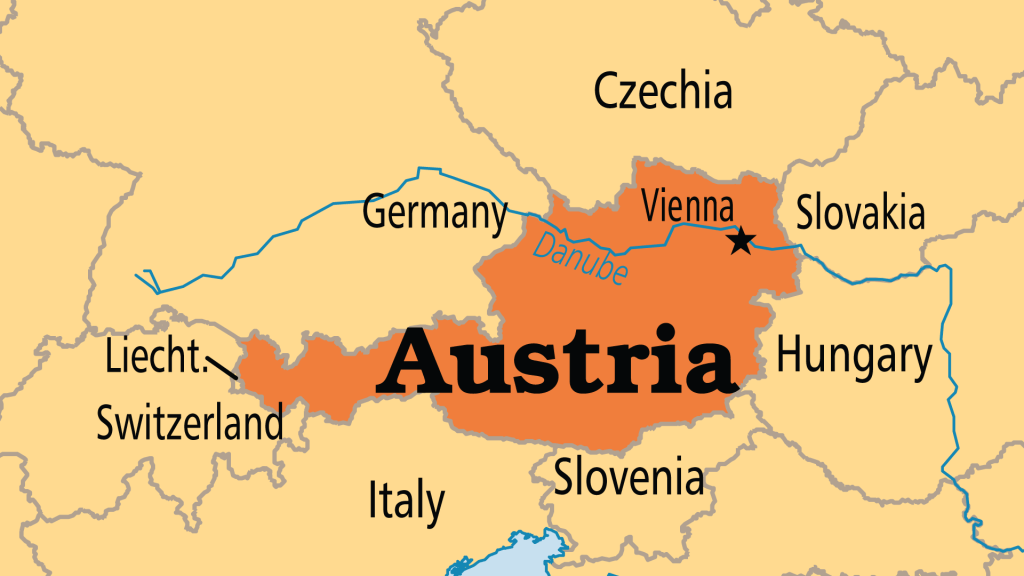
Links for further overview of Austria:
 Stichting HEALING THE NATIONS