
Christianity in Guinea is a minority religion, with adherents making up approximately 7% to 11% of the population, in a country that is roughly 84%–85% Muslim. While Islam is the dominant religion across all regions, Christianity has a significant presence in the capital city of Conakry, the southern coastal areas, and the eastern Forest Region.
Demographics and Composition
- Population Share: Estimates generally place the Christian population between 7% and 11%.
- Denominations: The Christian community is composed of Roman Catholics, Anglicans, Baptists, Seventh-day Adventists, Jehovah’s Witnesses, and various evangelical groups.
- Catholic Presence: The Catholic Church in Guinea is organized into one archdiocese (Conakry) and two dioceses (Kankan and N’Zérékoré), with a new diocese in Guéckédou announced in June 2023.
- Organization: The Protestant Evangelical Church of Guinea, the Anglican community, and the Catholic Church work together within a Christian Council.
Geographical and Cultural Context
- Regional Concentration: Christians are most numerous in Conakry, large cities, and the southern/eastern forest regions.
- Fouta Jallon: In the Fouta Jallon region of middle Guinea, there is very little Christian presence due to strong, historical adherence to Islamic traditions.
- Syncretism: Both Muslim and Christian populations frequently incorporate indigenous, traditional beliefs into their religious practices.
Religious Freedom and Social Environment
- Legal Status: The 2021 Transition Charter defines Guinea as a secular state, and the government generally respects religious freedom.
- Interfaith Relations: Relations between Christians and Muslims are generally described as amicable, with inter-religious councils facilitating dialogue.
- Challenges: The church sometimes feels isolated, particularly due to historical oppression in the 1960s under the Sekou Touré dictatorship, which expelled many foreign missionaries.
- Societal Pressure: In some parts of the country, strong social pressure exists, discouraging non-Muslims from openly practicing their faith.
- Incidents: Occasional tensions arise, such as an incident in 2022 where an evangelical church was attacked in the Forest Region.
Historical Background
Christianity in Guinea faced a major setback in May 1967 when the government of Sekou Touré expelled missionaries and suppressed the faith. Since then, the Church has been rebuilding, with 2016 reports indicating support for the training of religious sisters and laypersons.
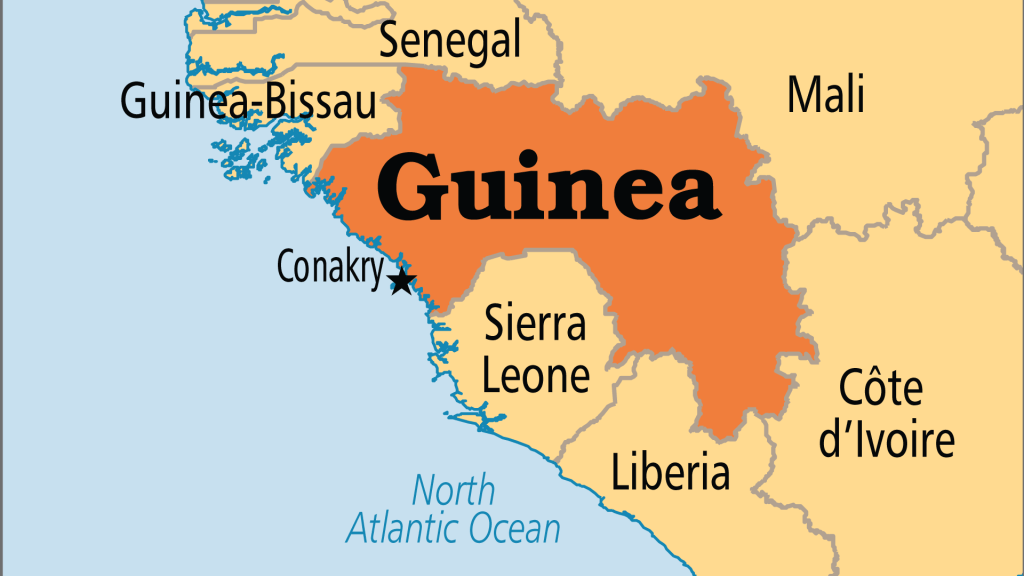
Links for further overview of Guinea:
 Stichting HEALING THE NATIONS