
Christianity in Australia has evolved from being the dominant religion in the18th-century British colonial era to a minority faith in an increasingly secular and pluralistic society. According to the 2021 Census, Christianity is still the largest religious group in Australia, with 43.9% of the population identifying as Christian, although this is a decline from 52.1% in 2016 and 96.1% at the time of Federation in 1901.
Key Trends and Demographics (2021 Census/2025 Reports)
- Declining Affiliation: For the first time, Christians did not make up a majority of the population, as over 38.9% reported “no religion”.
- Denominational Breakdown: Catholicism is the largest denomination (20% of the population), followed by Anglicanism (9.8%). Other denominations include the Uniting Church (2.7%), Eastern Orthodox (2.1%), Presbyterian and Reformed (1.6%), Baptist (1.4%), and Pentecostal (1.0%).
- “Undercurrent” of Faith: While nominal affiliation is falling, research from 2025 indicates a “quiet revival,” with nearly 785,000 people moving from “no religion” to Christian in the 2021 census.
- Aging Demographic & Young Adults: Older Australians (55+) are leading a return to faith, while 18-25 year olds have the highest rate of leaving organized religion. However, among young people who do identify as Christians, many are more likely to attend church regularly than older generations.
- Church Attendance: Only about 7%–10% of Australians attend church weekly, though 1 in 5 (21%) attend at least monthly.
History and Influence
- Arrival (1788): Christianity arrived with the First Fleet, and for decades, the Church of England held a privileged position.
- Cultural Footprint: Despite secularization, Christian institutions have a significant presence in social welfare (Anglicare, St Vincent de Paul, Salvation Army) and education, with about a quarter of students attending church-affiliated schools.
- Indigenous Australians: Christianity has had a complex impact on Indigenous Australians, acting as a force for both cultural loss through missions and a vehicle for maintaining culture and advocating for rights.
Modern Challenges and Shifts
- Secularization: Many Australians see Christianity as less relevant, and some hold negative views due to historic scandals, such as child abuse within the Catholic Church.
- Cultural Shifts: “Cultural Christianity”—where individuals identify as Christian out of habit rather than conviction—is dissolving, leading to a rise in “no religion” and a more committed, though smaller, core of believers.
- Shifting Politics: While many politicians are Christians, the overall political influence of conservative Christian groups is seen as declining, as they adapt to being a minority voice.
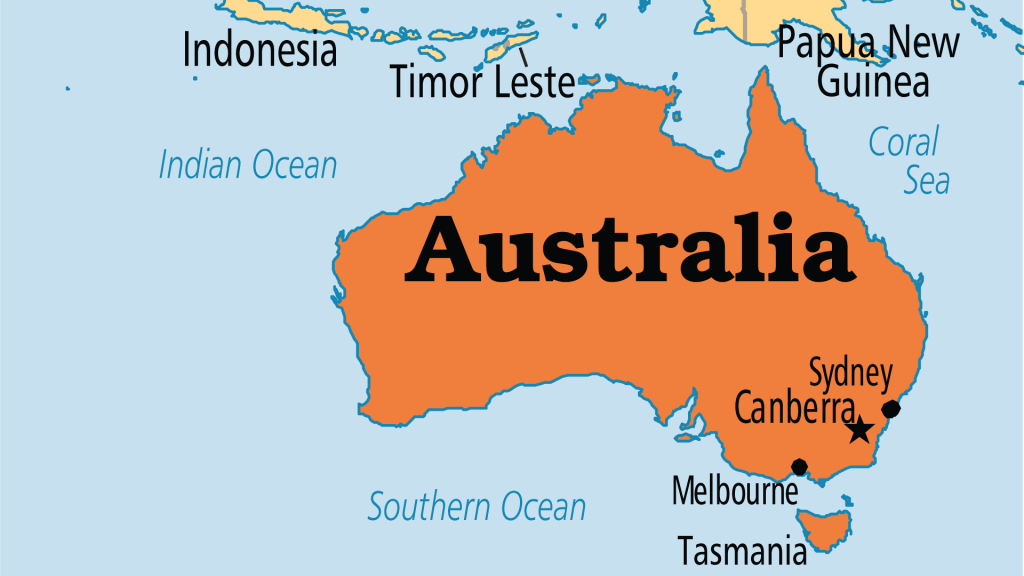
Links for further overview of Australia:
 Stichting HEALING THE NATIONS