
Christianity is the dominant religion in the Philippines, with approximately 89% to 92.5% of the population identifying as Christian. It is the largest Christian nation in Asia and the fifth-largest globally. The religion is deeply embedded in the national identity, culture, and daily life, a legacy of more than 300 years of Spanish colonial rule beginning in 1521.
Major Denominations (2020 Census)
- Roman Catholic (78.8% – 79.5%): The largest group, holding significant influence over society and politics.
- Protestant and Evangelical (approx. 5% – 13%): Including groups such as the Evangelical Christian, Seventh-day Adventist, United Church of Christ in the Philippines (UCCP), and others.
- Iglesia ni Cristo (2.6%): The largest entirely locally initiated religious organization.
- Philippine Independent Church (Aglipayan) (1.4%): A church established in the early 20th century.
- Other Christian groups: Jehovah’s Witnesses, Members Church of God International, and the Church of Jesus Christ of Latter-day Saints.
Key Religious Characteristics and Traditions
- 500 Years of History: The Philippines celebrated 500 years of Christianity in 2021, commemorating the arrival of Ferdinand Magellan in 1521, which began the Christianization of the islands.
- Cultural Fusion: Filipino Christianity often incorporates local traditions, resulting in a unique cultural expression. Examples include the Simbang Gabi (nine-day dawn masses before Christmas), the Pasyón (chanting of Christ’s passion), and grand processions like the Black Nazarene in Manila.
- Fiestas: Almost every town and city has a patron saint whose feast day is celebrated with, music, food, and community gatherings.
- Political Influence: The Catholic Church has a history of political involvement, notably playing a key role in the 1986 People Power Revolution.
- Missionary Force: Once a primary mission field, the Philippines has transitioned into a “mission force,” with many Filipinos serving as missionaries globally.
Religious Diversity
While predominantly Christian, the Philippines is a secular state with a constitution that guarantees freedom of religion.
- Islam: The largest minority religion, with 6.4% of the population identifying as Muslim, concentrated mainly in the southern region of Mindanao.
- Indigenous Faiths: Small portions of the population continue to practice indigenous folk religions (Anitism).
- Irreligion: Very low, with less than 0.1% of the population reporting no religion in some surveys.
Challenges and Trends
- Social Inequality: The Church often voices concerns about human rights violations and social inequalities, particularly within the Mindanao region.
- Growth of Other Sects: While Catholicism remains the majority, Evangelical and other independent churches have seen significant growth.
- Global Diaspora: Filipino Christians often carry their traditions abroad, making Filipino communities a visible part of the faith in other countries.
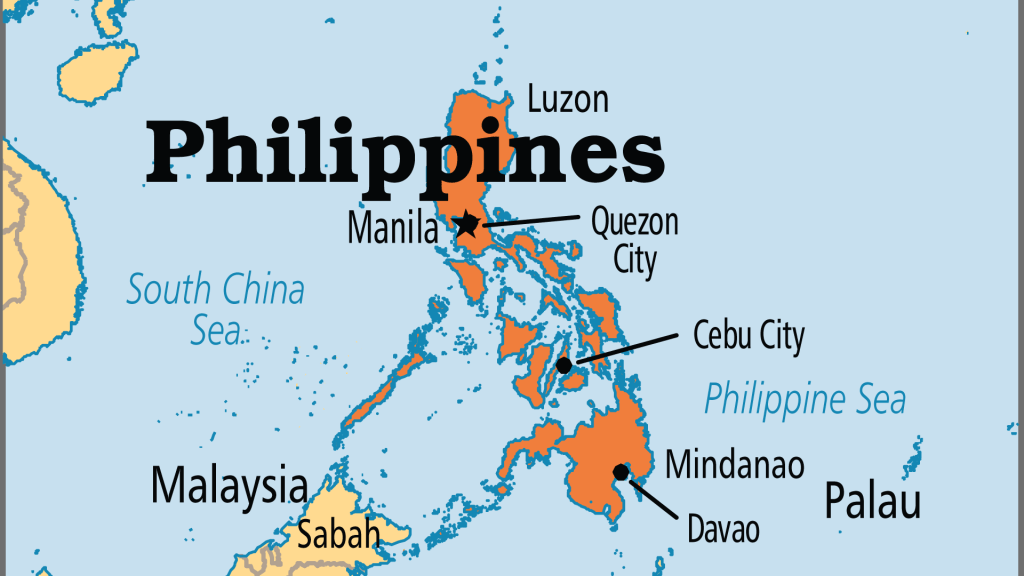
Links for further overview of the Philippines:
 Stichting HEALING THE NATIONS