
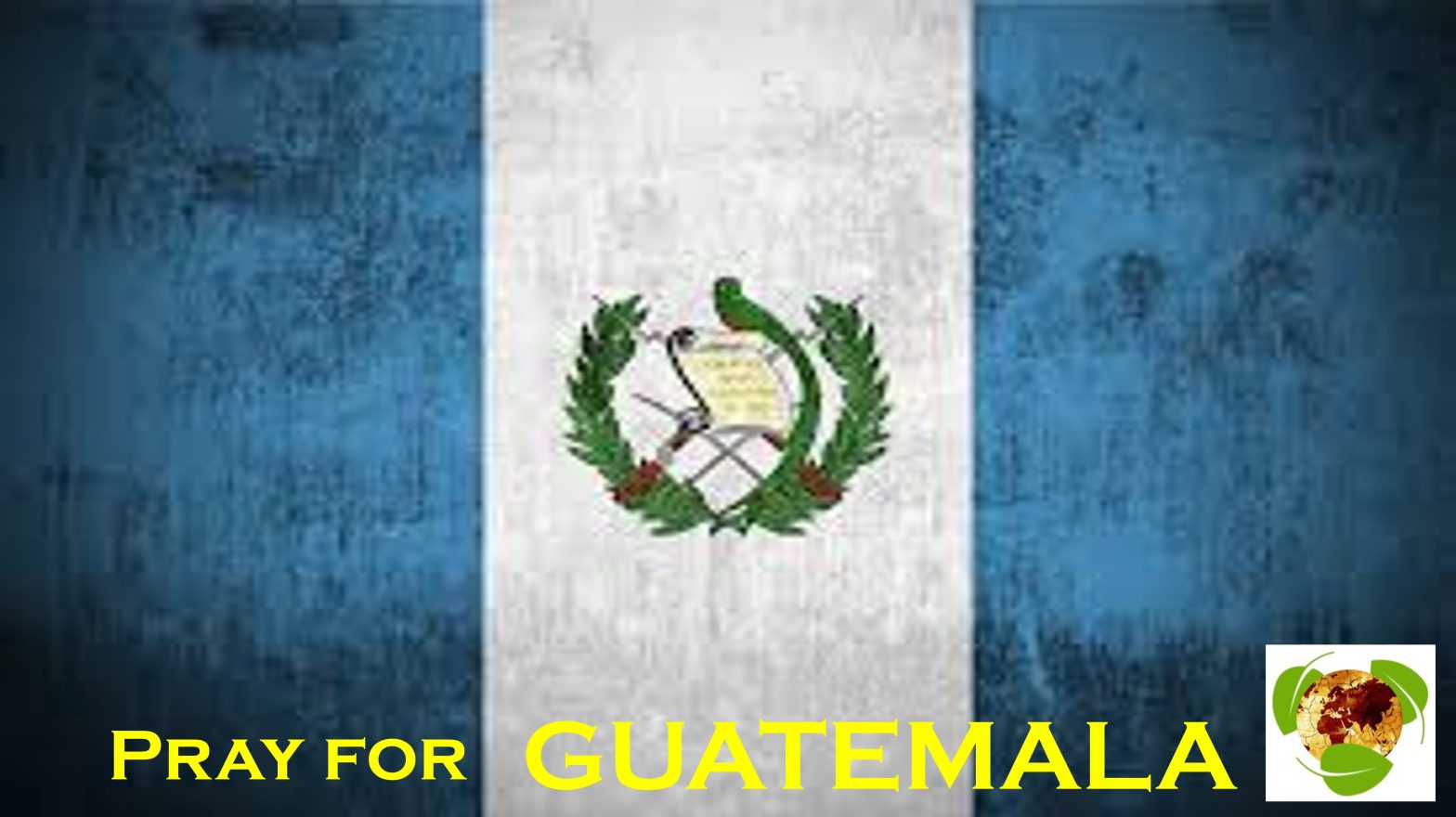
Christianity is the predominant religion in Guatemala, with roughly 88% to 95% of the population identifying as Christian. Over the past few decades, the religious landscape has shifted dramatically from a predominantly Catholic country to one with a very high, influential Protestant (particularly Evangelical) population, making it one of the most Protestant countries in Latin America.
Religious Demographics (Approximate)
- Protestant/Evangelical: ~40–46%
- Catholic: ~42–46%
- Other/None: ~11–12%
Key Aspects of Christianity in Guatemala
- Rise of Evangelicalism: Evangelicalism has experienced a massive boom since the late 20th century, particularly during the 1980s, driven by Pentecostalism. Some studies suggest Evangelicals may have overtaken Catholics in numbers, or that they are nearly equal in size.
- Catholicism: While declining, the Catholic Church maintains a strong presence, particularly among the Indigenous Mayan population. It enjoys a “special status” under the constitution as a distinct legal entity, though it is not the state religion.
- Syncretism: A significant feature is the blending of traditional Indigenous Maya spiritual beliefs with both Catholic and, to a lesser extent, Protestant practices, especially in the Western Highlands.
- Political Influence: Evangelical leaders hold significant influence in presidential politics, and several heads of state have been practicing Protestants, such as Efraín Ríos Montt, Jorge Serrano Elías, and Jimmy Morales.
- Other Denominations: The Church of Jesus Christ of Latter-day Saints has a significant presence with over 255,000 members (as of 2015). Additionally, Eastern and Oriental Orthodoxy have experienced rapid growth through conversions among Maya communities.
Cultural and Historical Context
- Colonial Roots: Catholicism was the official religion during the Spanish colonial era (1519–1821).
- Civil War Impact: The growth of Protestantism, particularly Evangelical and Pentecostal sects, accelerated during the civil war in the 1980s.
- “Miracle Cities”: Some communities, such as Almolonga, are famous for having transitioned to overwhelmingly Evangelical populations, resulting in significant social changes, including the closure of local jails.
Christian practices in Guatemala are characterized by high activity levels and strong cultural influence, with a high degree of “religiosity” in daily life.
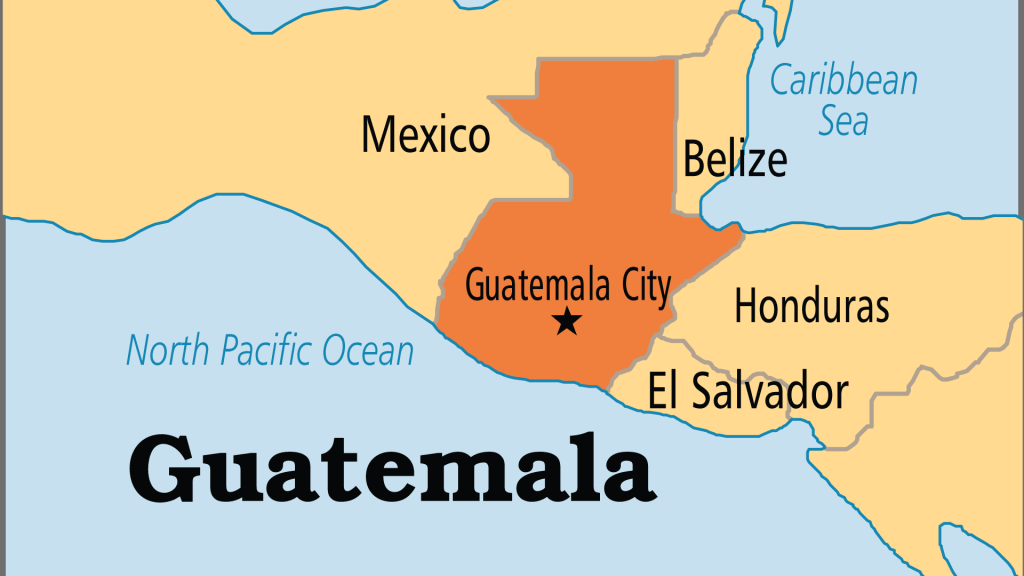
Links for further overview of Guatemala:
 Stichting HEALING THE NATIONS