
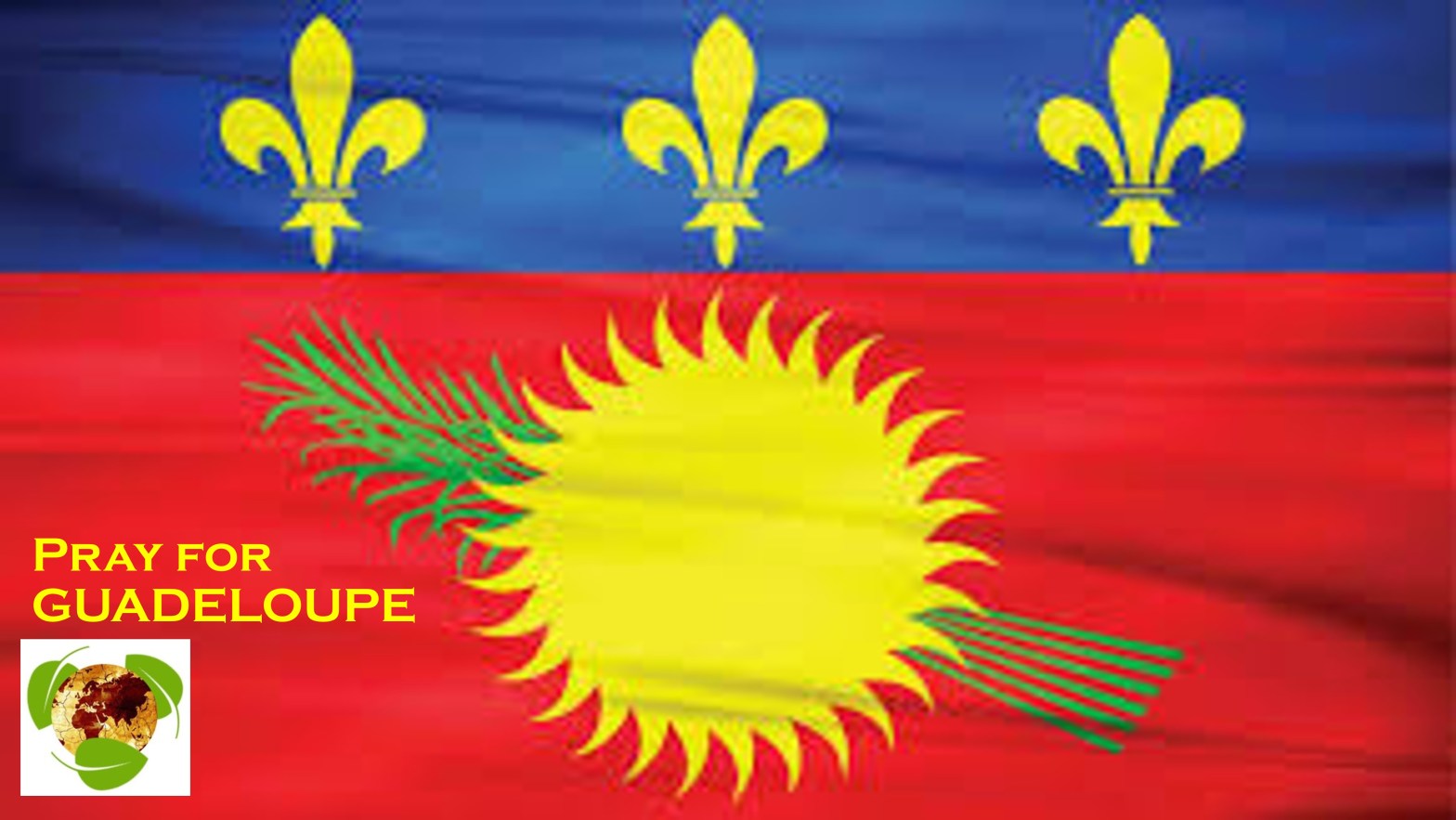
Christianity is the dominant religion in Guadeloupe, with approximately 95% of the population identifying as Christian. The faith is deeply integrated into the island’s culture, blending European traditions with African influences and local Creole heritage.
Religious Composition
The Christian landscape is primarily Roman Catholic, though other denominations have seen growth since the 1970s.
| Tradition | Estimated Population Share (2020) |
|---|---|
| Roman Catholic | ~89.2% |
| Protestant | ~7.1% |
| Independent | ~4.2% |
| Evangelical | ~3.8% |
| Pentecostal/Charismatic | ~5.2% |
Key Denominations and Practices
- Roman Catholicism: Managed by the Diocese of Basse-Terre, it is the spiritual foundation for most Guadeloupeans. Major events include Holy Week processions, such as the sunrise Way of the Cross in Saint-François.
- Protestantism & Others: Includes Methodists, Seventh-day Adventists, Jehovah’s Witnesses, and The Church of Jesus Christ of Latter-day Saints. The Protestant Reformed Churches of Guadeloupe and Martinique are notably active in social advocacy.
- Syncretism: Many practitioners blend Christian faith with “Quimbois” (traditional folk practices) and African-derived healing remedies.
Historical Context
Christianity was introduced in 1635 by Catholic missionary orders (Jesuits, Dominicans, etc.) alongside French colonization. While initially forced upon enslaved Africans, the faith eventually became a space for community support and a tool for organizing resistance against slavery.
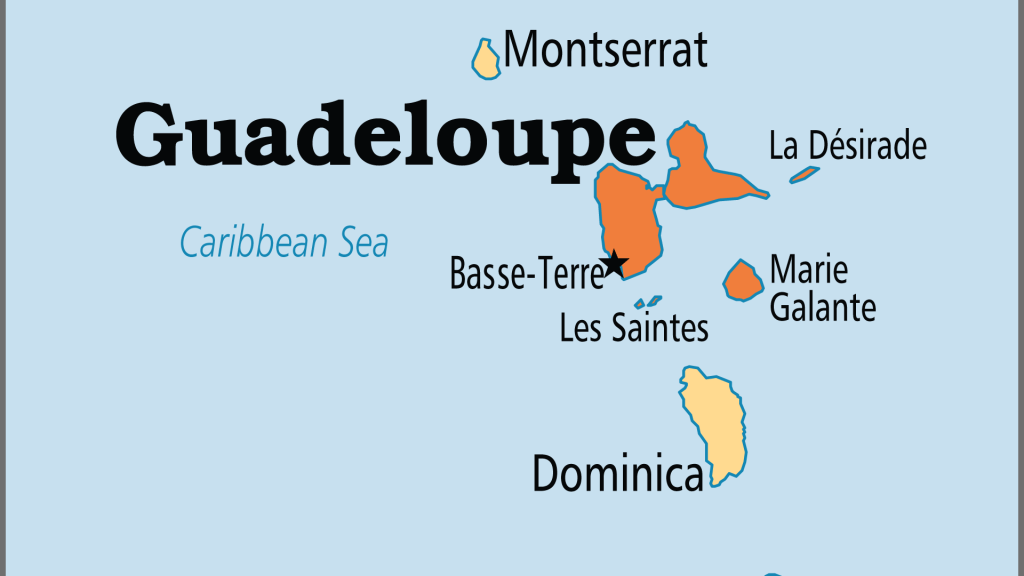
Links for further overview of Guadeloupe:
 Stichting HEALING THE NATIONS