
Christianity is the dominant religion in Argentina, with approximately 78% to 89% of the population identifying as Christian. Roman Catholicism is the largest denomination (roughly 63%–74%), significantly influencing culture and society. Evangelical Protestantism, particularly Pentecostalism, is growing, while nearly 17%–19% of the population report having no religious affiliation.
Key Aspects of Christianity in Argentina
- Roman Catholicism: Historically dominant, Catholicism remains deeply embedded in Argentine culture, holidays (like the Feast of the Immaculate Conception), and social institutions, despite a decline in regular, active participation.
- Evangelical Growth: Evangelical and Pentecostal groups are expanding, with estimates indicating they make up over 15% of the population, with high rates of church attendance compared to Catholics.
- Cultural Catholicism: Many citizens identify as Catholic but may not attend services regularly, practicing a form of “à la carte” faith, though they may still take part in rituals like baptisms.
- Legal Status: The Argentine Constitution guarantees religious freedom. While it historically recognized the Catholic Church, it is not the official state religion, and other faiths are legally recognized.
- Social Role: Christian, particularly Catholic and Evangelical, organizations play a significant role in social welfare, addressing poverty through the concept of solidaridad (solidarity).
While Catholicism remains the, cultural majority, the religious landscape is becoming more diverse with an increasing number of people identifying as having no religion or adhering to Protestantism.
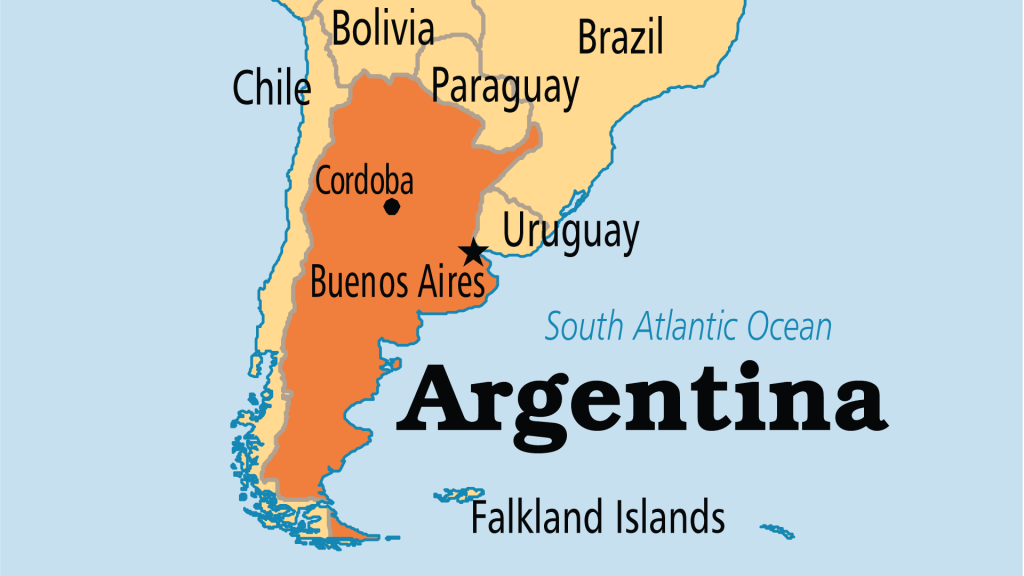
Links for further overview of Argentina:
 Stichting HEALING THE NATIONS