
Christianity is the dominant religion in Antigua and Barbuda, with over 70% to 82% of the population identifying as Christian. Anglicanism is the largest denomination (approx. 17.6%), followed by Seventh-day Adventists, Pentecostals, Moravians, and Roman Catholics. It is a diverse, mostly Protestant, faith landscape with a strong historical foundation.
Key Denominations and Religious Demographics:
- Anglican: 17.6% (largest denomination).
- Seventh-day Adventist: 12.4%.
- Pentecostal: 12.2%.
- Moravian: 8.3%.
- Roman Catholic: 8.2%.
- Methodist: 5.6%.
- Other: Evangelical, Baptist, Church of God, Wesleyan Holiness, and a growing number of independent, non-denominational churches.
Key Aspects of Christianity in Antigua:
- Religious Freedom: The constitution guarantees freedom of religion and conscience, though it also prohibits clergy from running for elected office.
- Historical Influence: The Anglican Church, as a legacy of British colonialism, remains highly influential, along with the historically significant Moravian Church.
- Social Role: Churches are heavily involved in social, educational, and community work. The Catholic Church, for instance, runs programs for the elderly, children, and those with HIV/AIDS.
- Ecumenical Movement: The Antigua Christian Council brings together Anglican, Methodist, Moravian, Roman Catholic, and Salvation Army leaders.
- Emerging Groups: Evangelical and Pentecostal denominations have seen significant growth in recent years.
While Christianity remains the dominant faith, the country also has small, active populations of Rastafarians, Muslims, and Baha’i.
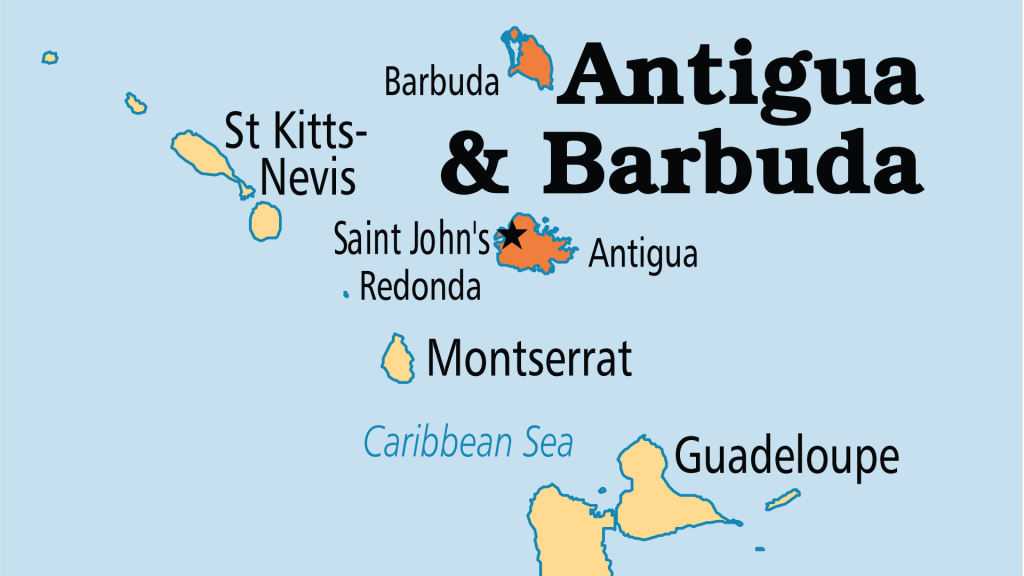
Links for further overview of Antiqua and Barbuda:
 Stichting HEALING THE NATIONS