
Christianity is the predominant religion in Panama, practiced by nearly 90% of the population, with Roman Catholicism historically serving as the largest denomination (roughly 63–72%) alongside a rapidly growing Evangelical Protestant population (about 20–25%). While Catholicism remains deeply ingrained in culture and national holidays, Protestantism has seen significant growth in recent decades.
Key Aspects of Christianity in Panama
- Dominance of Catholicism: Introduced by Spanish colonists, Catholicism has deep roots, with the Diocese of Panama established in 1514, making it one of the oldest in the Americas.
- Rise of Evangelicalism: Evangelical and Pentecostal churches have gained substantial ground, particularly in the last few decades.
- Cultural Syncretism: A notable example of syncretic devotion is the “Black Christ of Portobelo” (Cristo Negro), celebrated annually in October.
- Demographics: While older figures cited higher numbers, recent studies indicate that Catholicism is around 63–65%, while Evangelicals make up 20–25%.
- Freedom of Religion: Panama is a secular state with no official religion, but the constitution recognizes Catholicism as the majority faith and allows for religious instruction in public schools.
- Other Denominations: Significant minority groups include Jehovah’s Witnesses, Seventh-day Adventists, and Mormons.
Christianity in Panama has shifted from being nearly exclusively Catholic to a more pluralistic, yet still overwhelmingly Christian, landscape.
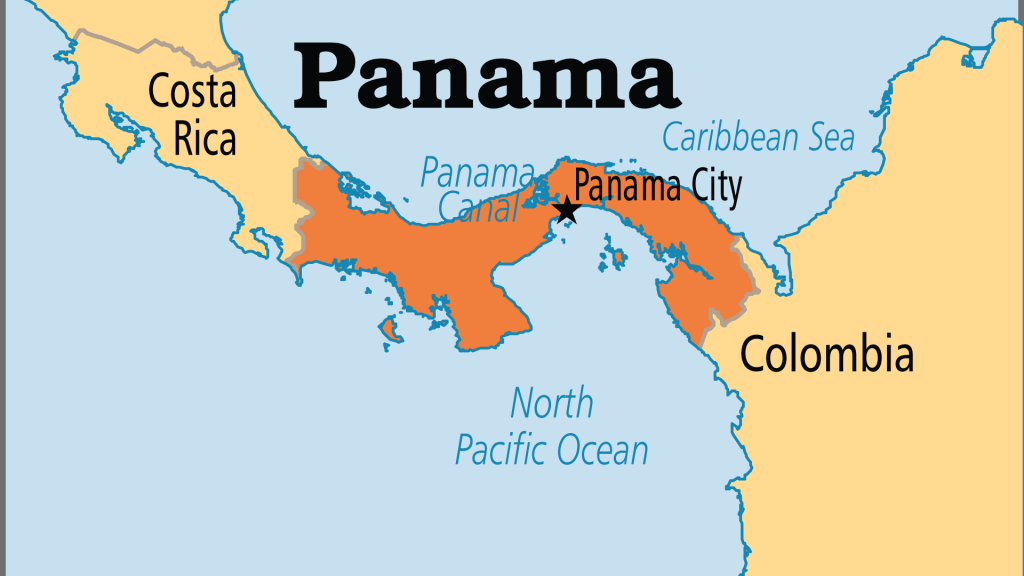
Links for further overview of Panama:
 Stichting HEALING THE NATIONS