
Christianity is the largest religion in Germany, though it is currently in a state of rapid institutional decline. As of early 2024, approximately 45% to 48% of the population identify as Christian, a sharp drop from over 70% in 1991.
Current Demographics and Denominations
The Christian landscape is primarily split between two major bodies:
- Roman Catholic Church: Approximately 24% of the population. It remains strongest in the south and west, particularly in states like Bavaria and North Rhine-Westphalia.
- Evangelical Church in Germany (EKD): Approximately 21%. This is a federation of Lutheran, Reformed, and United Protestant regional churches. It is more prevalent in the north and central regions.
- Orthodox Christianity: Roughly 1.5% to 2%. This is the only major Christian group currently growing, largely due to immigration from Eastern Europe (e.g., Romania, Greece, and Ukraine).
- Free Churches: Smaller groups like Baptists, Methodists, and Pentecostals represent about 1% to 2%.
The “Church Tax” (Kirchensteuer)
Germany operates a unique system where the state collects a church tax (8% to 9% of income tax) from registered members of the major denominations. This funding supports church-run hospitals, kindergartens, and social services. Financial concerns and a “crisis of faith” have led to record-high departures, with over one million people leaving the two major churches in 2024 alone.
Religious vs. Secular Trends
- Geographic Divide: The eastern states (former East Germany) are among the most secular regions in the world, with roughly 70% to 75% of residents identifying as non-religious, a legacy of the GDR’s state-promoted atheism.
- Practice: While nearly half of Germans are “on paper” Christians, active participation is low. Only about 5% of Germans attend religious services at least once a month.
- Cultural Influence: Despite falling numbers, Christianity remains deeply rooted in German culture. Public holidays like Christmas, Easter, and Ascension are nationwide, and religious education is a standard part of the public school curriculum.
Historical Significance
Germany is the birthplace of the Protestant Reformation, sparked by Martin Luther in 1517. His translation of the Bible into the vernacular was instrumental in the development of the modern German language.
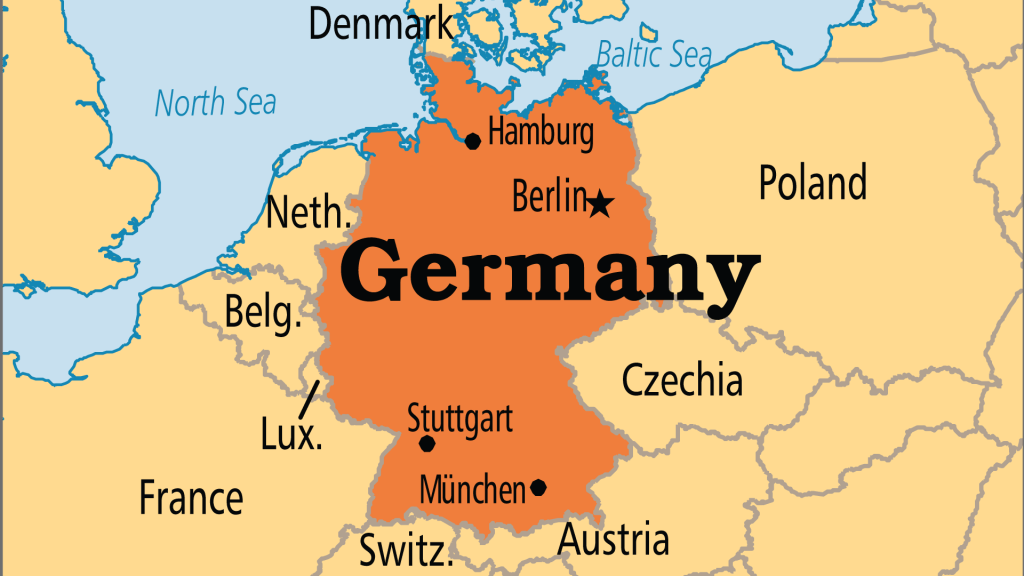
Links for further overview for Germany:
 Stichting HEALING THE NATIONS