
Christianity in Saudi Arabia is practiced almost exclusively by a large expatriate population, as the kingdom is an Islamic absolute monarchy where Sunni Islam is the official state religion. While there are no official church buildings in the country, recent reforms under Vision 2030 have slightly increased the visibility of non-Islamic celebrations.
Current Status and Demographics
- Population: Approximately 2.1 million Christians lived in Saudi Arabia as of 2022, primarily consisting of foreign workers from countries like the Philippines, India, and Ethiopia.
- Legal Standing: Public practice of any religion other than Islam is strictly prohibited by law. Every Saudi citizen is legally considered a Muslim, and conversion to another faith (apostasy) is technically a capital offense, though official executions for this have not been documented recently.
- Worship: There are zero legal churches in the country. Foreign Christians typically worship in private house churches or within guarded expatriate compounds.
Recent Reforms and Openness
Since 2017, Crown Prince Mohammed bin Salman has initiated reforms that have impacted the religious landscape:
- Coptic Mass (2018): The first documented public Divine Liturgy was celebrated in Riyadh by Egyptian Coptic clergy following an official invitation.
- Holiday Visibility: In recent years, the strict taboo surrounding Christmas has lightened, with Christmas trees and decorations becoming more available for sale in public shops.
- Religious Police (Mutaween): The powers of the Committee for the Promotion of Virtue and the Prevention of Vice were significantly curtailed in 2016, leading to a general decrease in the enforcement of bans on private religious services.
Historical Background
- Pre-Islamic Presence: Christianity was widespread in the Arabian Peninsula before the 7th century, with major centers in regions like Najran and Jubail.
- Jubail Church: Discovered in 1986, the ruins of a 4th-century church in Jubail are among the oldest in the world, though the site is currently fenced off and not open for regular tourism.
Travel and Daily Life for Christians
- Personal Use Items: Travelers are generally permitted to bring a Bible or wear a crucifix for private use, but public display or distributing religious literature is illegal and can lead to deportation.
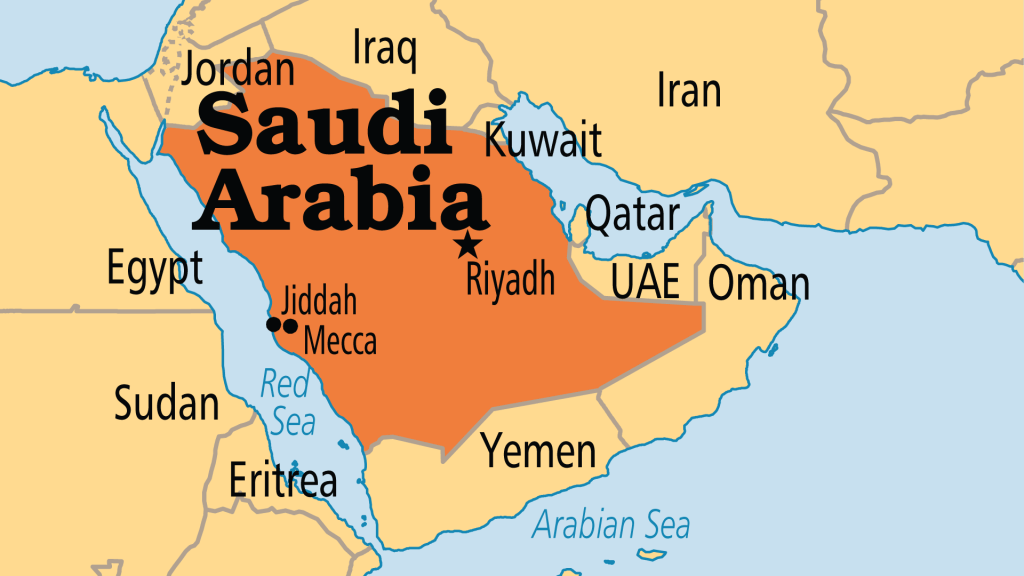
- Holy Cities: Non-Muslims are strictly prohibited from entering the city of Mecca and certain central areas of Medina.
- Risk: Organizations like Open Doors continue to rank Saudi Arabia among the most difficult countries for Christians due to the lack of legal protection and the severe social pressure faced by converts.
Links for further overview of Saudi Arabia:
 Stichting HEALING THE NATIONS