
Christianity is the second-largest religious group in Bosnia and Herzegovina, with approximately 46% of the population identifying as Christian, primarily divided into Eastern Orthodoxy (approx. 31%, mostly Serbs) and Roman Catholicism (approx. 15%, mostly Croats). The religious landscape is deeply tied to ethnicity, with the Orthodox population concentrated in the Republika Srpska entity and Catholics in parts of the Federation of Bosnia and Herzegovina.
Key Aspects of Christianity in Bosnia and Herzegovina:
- Eastern Orthodox Church: The largest Christian denomination, with adherents mostly belonging to the Serbian Orthodox Church. It is most pervasive in the Republika Srpska entity.
- Roman Catholic Church: The second-largest, with the majority of Catholics being ethnic Croats. While 15.4% in the 2013 census, this number has declined in recent years.
- Historical Context: Historically, the region was a battleground between Catholic and Orthodox influence, which later led to the rise of the indigenous, now-defunct “Bosnian Church”. Following Ottoman conquest, many Christians converted to Islam.
- Interfaith Relations: Despite the 1990s conflict,, there are ongoing efforts to maintain peace and respectful interfaith dialogue between the major religious communities.
Demographic Breakdown (2013 Census):
- Orthodox: ~31%
- Catholic: ~15%
- Others (Protestants, etc.): ~3%
The remaining population is predominantly Muslim, making the country a unique blend of European Christian traditions and Islam.
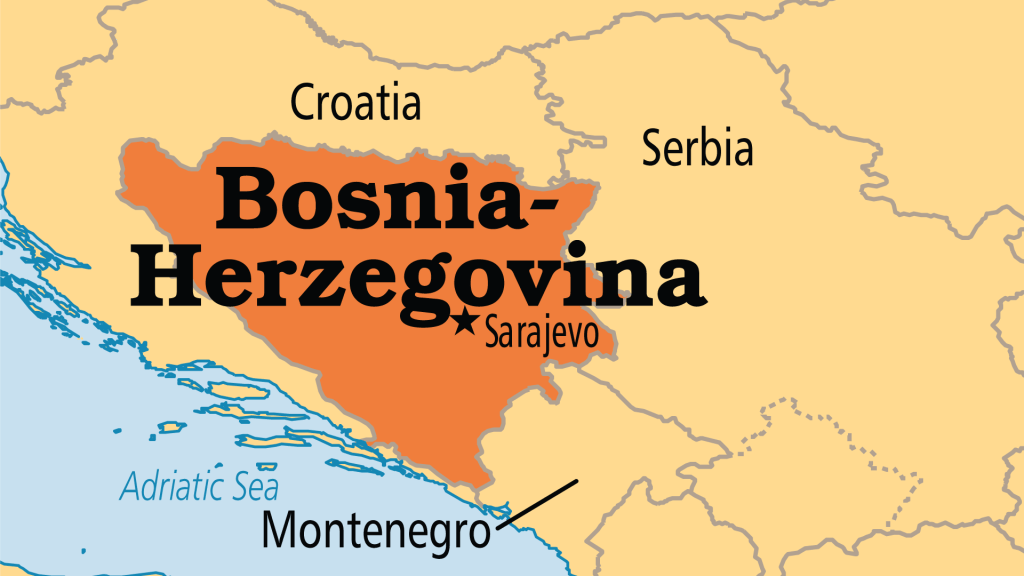
Links for further overview of Bosnia and Herzegovina:
 Stichting HEALING THE NATIONS