
Christianity in Sweden is characterized by a high level of formal affiliation—primarily with the Church of Sweden—contrasted with a deeply secular society where religious practice is often private or limited to cultural rituals. While the country was historically a Lutheran state, it became officially secular in 2000.
Current Landscape and Demographics
As of early 2026, Christianity remains the largest religion, though membership is steadily declining.
- Church of Sweden (Svenska kyrkan): An Evangelical Lutheran church and the largest denomination, representing roughly 51.4% of the population (as of late 2024).
- Eastern Orthodox and Oriental Orthodox: The second-largest group (approx. 1.5%), growing primarily due to immigration from countries like Serbia, Greece, and Syria.
- Catholic Church: Comprising about 1.2% of the population, also bolstered by immigration from Poland, South America, and the Middle East.
- Free Churches (frikyrkor): Independent Protestant denominations (Pentecostal, Baptist, etc.) that together have approximately 250,000 members.
- Secularism: Approximately 37.9% of Swedes identify as non-religious or unaffiliated. Active church attendance is notably low, with some estimates suggesting only 2% of members attend services regularly.
Historical Development
- Christianization (9th–12th Century): St. Ansgar introduced the faith in the 9th century, but it only became firmly established by the 11th century with the baptism of King Olof Skötkonung.
- Reformation (16th Century): Under King Gustav Vasa, Sweden broke from the Catholic Pope in 1527. The 1593 Uppsala Synod officially established Lutheranism as the state religion.
- State Church to Secular State: For centuries, membership was mandatory. Legal separation of church and state occurred on January 1, 2000, ending the Church of Sweden’s status as a state authority.
Social and Cultural Role
- Progressive Stance: The Church of Sweden is known for its liberal values, ordaining women since 1960 and performing same-sex weddings since 2009.
- Ritual Christianity: Many Swedes maintain a connection to the church for “rites of passage” such as baptisms, weddings, and funerals, even if they do not hold traditional religious beliefs.
- Public Holidays: The Swedish calendar is still structured around Christian holidays like Lucia (Dec 13), Epiphany, and Midsummer, which are often celebrated as cultural rather than purely religious events.
- Youth Trends: Recent reports (2024–2025) have noted a surprising “uptick” in religious interest and church attendance among young Swedes seeking meaning in a secular age.
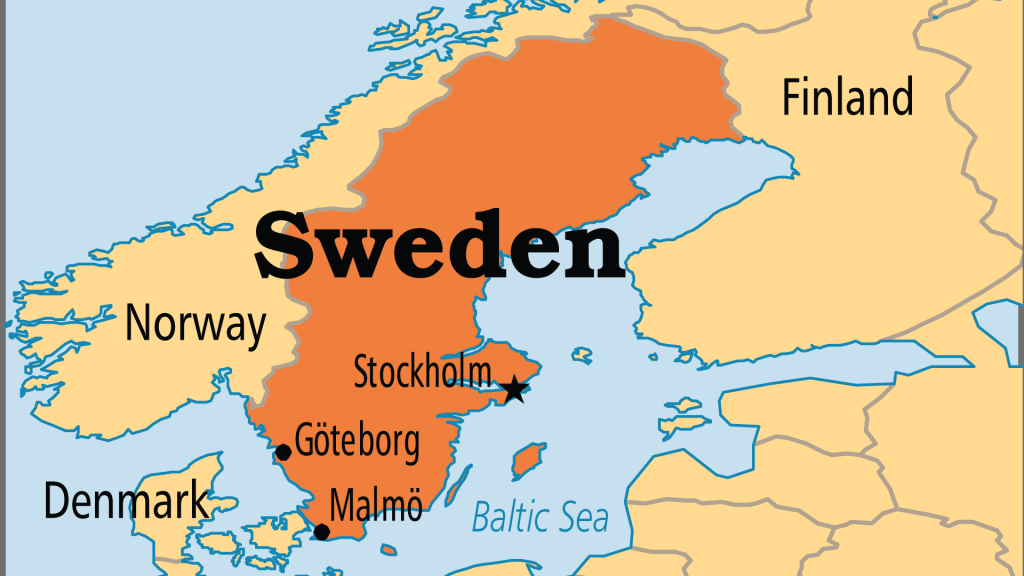
Links for further overview of Sweden:
 Stichting HEALING THE NATIONS