
Christianity in Morocco is a minority religion, with adherents estimated at less than 1% of the population. The community is primarily composed of foreign expatriates and a growing, though largely discreet, number of native Moroccan converts.
Demographics and Denominations
The Christian population is estimated between 20,000 and 40,000 people.
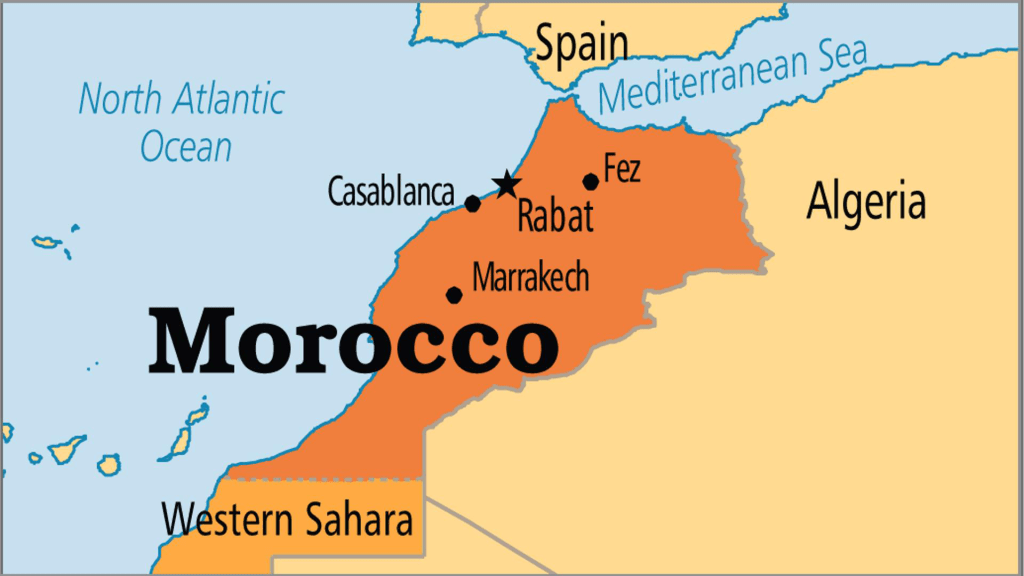
- Catholicism: The largest group (approx. 30,000), mainly French and Spanish expatriates and sub-Saharan African students. The country is divided into the Archdioceses of Rabat and Tangier.
- Protestantism: Roughly 10,000 adherents, including many from sub-Saharan Africa.
- Orthodoxy: Small Russian and Greek Orthodox communities (approx. 3,000) located in Rabat and Casablanca.
- Anglicanism: Permanent chaplaincies exist in Casablanca (St. John the Evangelist) and Tangier (St. Andrew’s).
Legal and Social Status
The Moroccan constitution identifies Islam as the state religion but guarantees the “free exercise of beliefs”.
- Restrictions on Proselytism: Article 220 of the Penal Code criminalizes “shaking the faith of a Muslim” or attempting to convert a Muslim to another religion, punishable by up to three years in prison.
- Native Converts: While not explicitly illegal to leave Islam, converts face significant social pressure and often worship in private “house churches”. They are often not allowed to enter official churches designated for foreigners.
- Official Recognition: Only Islam and Judaism are officially recognized as native religions; all other faiths are considered “foreign”.
Historical Background
- Early Christianity: Christianity arrived in the 2nd century AD during the Roman era, practiced widely by Berber (Amazigh) communities before the 7th-century Islamic conquests.
- Colonial Era: Under French and Spanish protectorates (1912–1956), the Christian population peaked at nearly 500,000.
- Independence: After 1956, over 75% of European Christians left the country.
Links for further overview of Morocco:
 Stichting HEALING THE NATIONS