
Christianity in Japan is a minority religion, with adherents making up approximately 1% to 1.5% of the total population. Despite its small number of followers, it has a significant historical presence and widespread cultural influence, particularly in modern lifestyle and ceremonies.
Historical Overview
- Arrival (1549): Christianity was introduced by Portuguese Jesuit missionary Francis Xavier in Kagoshima. It initially saw rapid growth, particularly in Kyushu, where some daimyo (feudal lords) converted to facilitate trade with the West.
- Prohibition & Persecution (1614–1873): Suspicious of foreign colonial ambitions, the Tokugawa shogunate officially banned Christianity in 1614. This era was marked by brutal persecutions, including the execution of the 26 Martyrs of Japan and the suppression of the Shimabara Rebellion.
- Hidden Christians (Kakure Kirishitan): Many believers continued to practice in secret for over 200 years, often disguising icons as Buddhist or Shinto objects to avoid detection. These sites were later designated as UNESCO World Heritage sites in 2018.
- Re-opening (1873): The ban was rescinded following the Meiji Restoration, allowing missionaries to return and establishing religious freedom in Japan.
Contemporary Status
As of 2024, there are roughly 1.87 million Christians in Japan.
- Demographics: The population is split mainly between Protestants (~60%) and Catholics (~40%). The highest concentration of Christians is found in Tokyo and Nagasaki Prefecture.
- Cultural Adoption: While few are practicing believers, Christian-style elements are deeply embedded in Japanese culture:
- Weddings: Approximately 60–70% of Japanese weddings are held in Christian-style “wedding chapels”.
- Holidays: Christmas and Valentine’s Day are major commercial and social events, though they lack religious significance for the general public.
- Political Influence: Despite their small numbers, Christians have held high-ranking positions; there have been nine Christian Prime Ministers of Japan.
Challenges for Growth
According to the World Values Survey, Japan is one of the most secular nations globally.
- Cultural Conformity: Traditional Japanese identity is closely tied to Shinto and Buddhism; choosing a “foreign” religion can be seen as a break from social and family harmony.
- Religious Fluidity: Many Japanese practice “multi-layered” religion (e.g., Shinto for birth, Christian for wedding, Buddhist for funeral), which often clashes with the exclusive nature of traditional Christian doctrine.
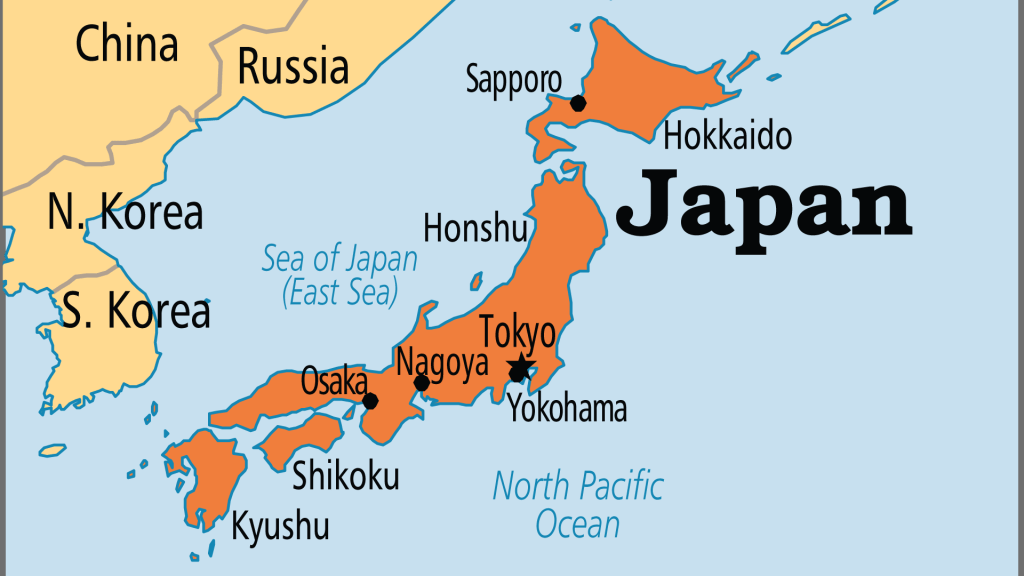
Links for further overview of JAPAN:
 Stichting HEALING THE NATIONS