
Christianity is the dominant religion in Venezuela, primarily Roman Catholic, but with a significant and growing Protestant (especially Evangelical) presence, though adherence is declining overall, especially among the youth, with syncretism (mixing with African/Indigenous beliefs like Espiritismo) and non-affiliation also rising. The Catholic Church is historically influential, but Protestants face challenges in gaining equal legal status, while the government sometimes engages with religious groups for political reasons, creating tension.
Key Aspects of Christianity in Venezuela:
Catholicism: The historically dominant faith, introduced during Spanish colonization, with the Catholic Church being the oldest institution in the country.
Protestantism (Evangelical): A large and diverse group, with major bodies like the Evangelical Council of Venezuela (ECV), experiencing significant growth.
Syncretism: Many Christians blend Catholic practices with Afro-descendant beliefs like Santería and Espiritismo, incorporating elements of spiritism and folk traditions.
Religious Landscape Shifts:
Affiliation with the Catholic Church is decreasing, while the number of Protestants and those with no religion is increasing, particularly among younger generations.
Government Relations:
While Venezuela has no official religion, the government has sometimes favored Protestants politically (offering aid/recognition) while also scrutinizing religious groups, creating tension and accusations of political manipulation, notes canopyforum.org.
Key Christian Groups:
Roman Catholics (largest group)
Evangelical Protestants (significant and growing)
Challenges & Trends:
Declining Affiliation: A growing segment of the population is unaffiliated with any religion.
Political Influence: The government’s involvement with religious leaders, especially Evangelicals, is a sensitive and evolving issue.
Fear & Persecution:
Some churches and pastors opposing the government have faced intimidation, harassment, and closure.
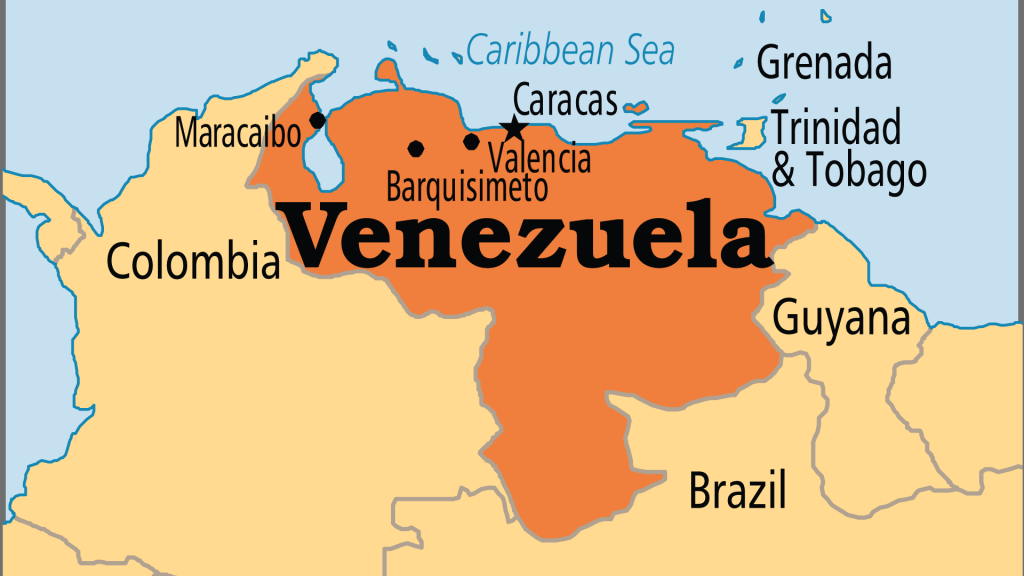
Links for further overview of VENEZUELA:
 Stichting HEALING THE NATIONS