
Christianity is Nigeria’s second-largest religion, with roughly 43-45% of the population identifying as Christian, mainly in the southern and central regions, comprising diverse denominations like Catholic, Anglican, Methodist, and rapidly growing Pentecostal churches. While historically brought by Portuguese traders and spread by missionaries, its modern presence involves significant growth alongside large Muslim populations, creating a religiously diverse nation with complex interfaith dynamics and ongoing security challenges, though claims of “Christian genocide” are contested by Nigerian officials and experts who point to broader conflict drivers.
History & Spread
Early Arrival: Catholicism arrived in the 15th century with Portuguese friars, initially limited to coastal areas.
Colonial Era: British colonialism in the 19th century facilitated missionary work, expanding Christianity inland.
Post-Colonial Growth: Missionaries, emancipated slaves, and later Pentecostal movements significantly increased Christian adherents, especially in the South, notes Al Jazeera.
Demographics & Denominations
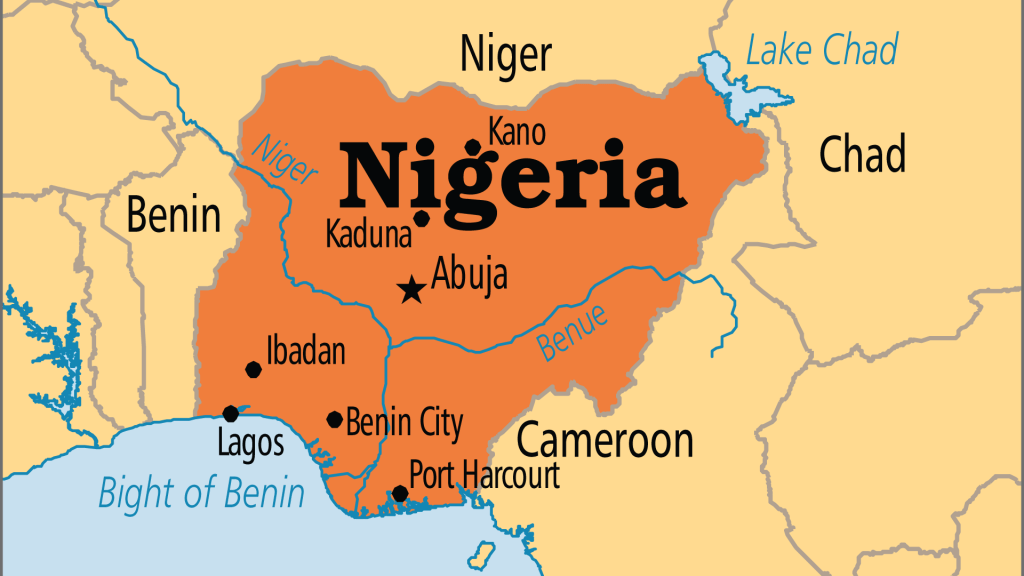
Major Religions: Nigeria is roughly split between Islam (majority in the North) and Christianity (majority in the South).
Key Denominations: Includes Catholic, Anglican (large Church of Nigeria), Methodist, Baptist, and a strong presence of Pentecostal churches, with many Nigerians identifying as non-denominational.
Contemporary Dynamics & Challenges
Religious Diversity: Nigeria hosts large Muslim and Christian populations, with significant Christian populations also in predominantly Muslim areas like the North Central region, points out the U.S. Department of State.
Security Issues: The country faces religious tensions and violence, with accusations of targeted persecution against Christians, though experts describe complex conflicts driven by various factors, not solely religious targeting.
Narrative vs. Reality:
Nigerian government officials and researchers argue against simplifying the violence as a “Christian genocide,” citing broader conflict drivers and the targeting of both Muslims and Christians, according to PBS and the BBC.
Links for further overview of NIGERIA:
 Stichting HEALING THE NATIONS