
As of 2026, the Christian population in Iran is estimated between 300,000 and over 1 million, split between officially recognized ethnic minorities and a rapidly growing underground movement of converts.
1. Types of Christian Communities
Recognized Ethnic Minorities: The Iranian constitution officially recognizes Armenians (the largest group) and Assyrians/Chaldeans. They have five reserved seats in the Iranian Parliament. While they can practice their faith in their own languages (Armenian or Syriac), they are strictly prohibited from proselytizing or holding services in Persian (Farsi).
Muslim-Background Believers (Converts): This is the fastest-growing segment, estimated at 500,000 to over 1 million. Because conversion from Islam is considered apostasy—a crime punishable by death or long imprisonment—these Christians operate in secret through house churches.
2. Religious Persecution and Legal Status
Apostasy Laws: Leaving Islam remains illegal. Although the death penalty for apostasy is rarely carried out today, converts face severe harassment, arrest, and torture.
Security Charges: Christians are frequently arrested on charges of “acting against national security” or “propaganda against the state”. In 2024, arrests of Christians reportedly increased sixfold compared to previous years.
Operational Restrictions: It is illegal to print or distribute Bibles in Persian. Only four Persian-speaking churches were officially allowed to operate in recent years, but they are under extreme surveillance and prohibited from accepting new members.
3. Growth and Trends
Fastest Growing Church: Despite persecution, Iran is widely cited as having one of the fastest-growing evangelical populations in the world.
Disillusionment: Much of the growth is driven by widespread disillusionment with the Islamic regime, particularly among younger generations who see Christianity as a spiritual alternative.
Digital Reach: Satellite TV (like Mohabat TV) and online resources are critical for the growth of secret house churches, providing training and discipleship to isolated believers.
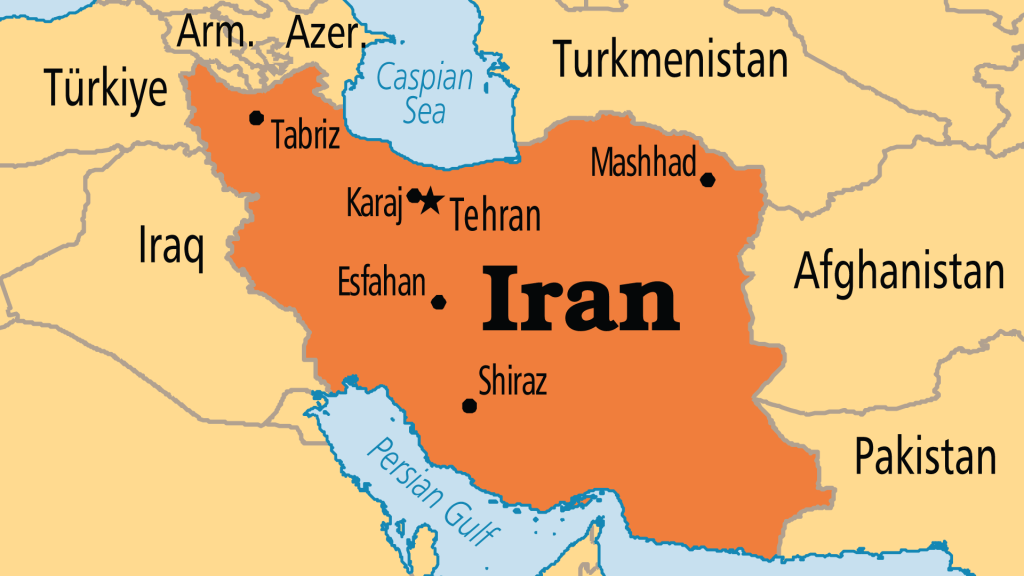
Links for further overview of IRAN:
 Stichting HEALING THE NATIONS