
Christianity is India’s third-largest religion, with approximately 28 million to 30 million adherents, making up about 2.3% of the population. It has a nearly 2,000-year history in the subcontinent, predating many Western Christian traditions.
HISTORICAL FOUNDATIONS
Apostolic Origins (52 AD): Tradition holds that St. Thomas the Apostle arrived on the Malabar Coast (modern-day Kerala) in 52 AD, establishing the “Seven and a Half Churches” and converting local families. These “Saint Thomas Christians” (Nasranis) are among the world’s oldest Christian communities.
EUROPEAN CONTACT
Catholicism (16th Century): Portuguese explorers and missionaries, most notably St. Francis Xavier, introduced Roman Catholicism, primarily in Goa and along the western coast.
Protestantism (18th Century): German and British missionaries, such as William Carey, brought Protestantism, focusing on education and Bible translation into Indian vernaculars.
DEMOGRAPHICS AND DISTRIBUTION
Regional Majorities: Christianity is the predominant religion in the northeastern states of Nagaland (88%), Mizoram (87%), and Meghalaya (75%).
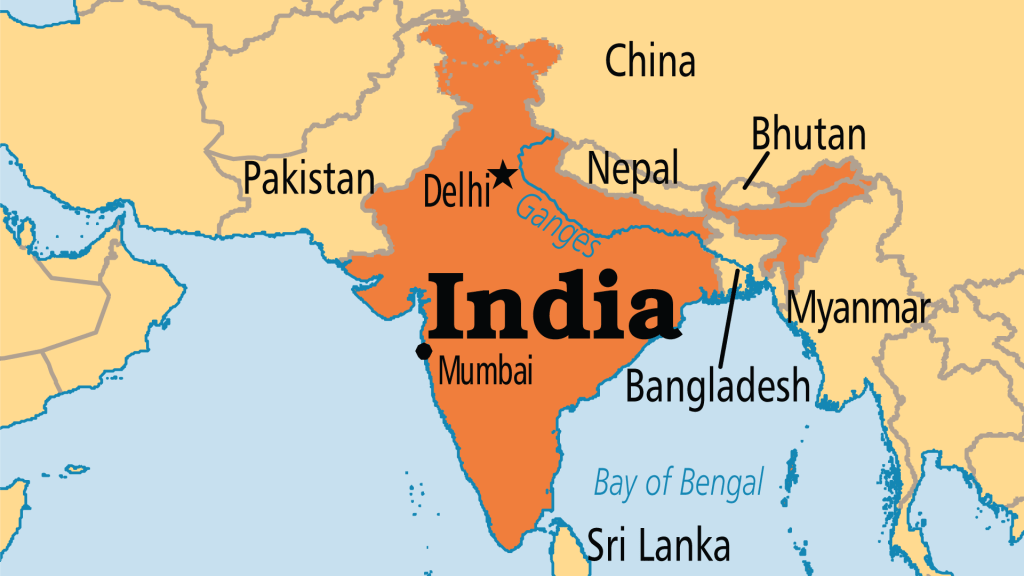
Southern Strongholds: Over 65% of Indian Christians live in South India, with large populations in Kerala, Tamil Nadu, and Goa.
Social Composition: A significant majority (roughly 74%) of Indian Christians belong to disadvantaged social groups, including Dalits and Scheduled Tribes, who often find a sense of dignity and inclusion in the faith.
DENOMINATIONAL DIVERSITY
India hosts a vast array of Christian traditions:
Catholic: Includes the Latin Rite, Syro-Malabar, and Syro-Malankara churches.
Oriental Orthodox: Such as the Malankara Orthodox Syrian Church and Jacobite Syrian Christian Church.
Protestant: Major bodies include the Church of South India (CSI) and Church of North India (CNI).
Evangelical & Pentecostal: These are among the fastest-growing segments, particularly in rural and northern areas.
CONTEMPORARY STATUS & PERSECUTION
While the Constitution of India guarantees freedom of religion, the Christian community faces increasing challenges:
Anti-Conversion Laws: At least 12 states have enacted laws that criminalize religious conversion under certain conditions, which are often used to target pastors and prayer meetings.
Rising Violence: Reports indicate a sharp increase in attacks on Christians and churches, with over 700 to 800 incidents reported in 2024 and 2025 alone.
Social Contribution: Despite being a small minority, Christians run thousands of prestigious educational institutions and healthcare centers across the country.
Links for further overview of INDIA:
 Stichting HEALING THE NATIONS